Mitigating the risk of a declining labor force
Strategies for Overcoming the Supply-Chain Worker Deficit
Ready for some scary labor statistics?
By 2029, the U.S. Census Bureau expects a 5.5 M supply-chain worker deficit. How is that possible? A big part comes from the 4 M blue-collar workers in the Boomer generation planning to retire in the next five years. As for the other 1.5 M missing replacements? Lower American birth rates over the past two decades mean fewer young adults entering the workforce.
There are several factors beyond low birth rates happening simultaneously that are creating this labor draught.
- An aging workforce retiring creating a “mass exodus” of 2M workers
- The COVID impact on women in the workforce
- Differences in work attitudes in the various generations
- Some prime-age men reducing the number of work hours
- An opioid epidemic causing more than 80,000 overdoses a year
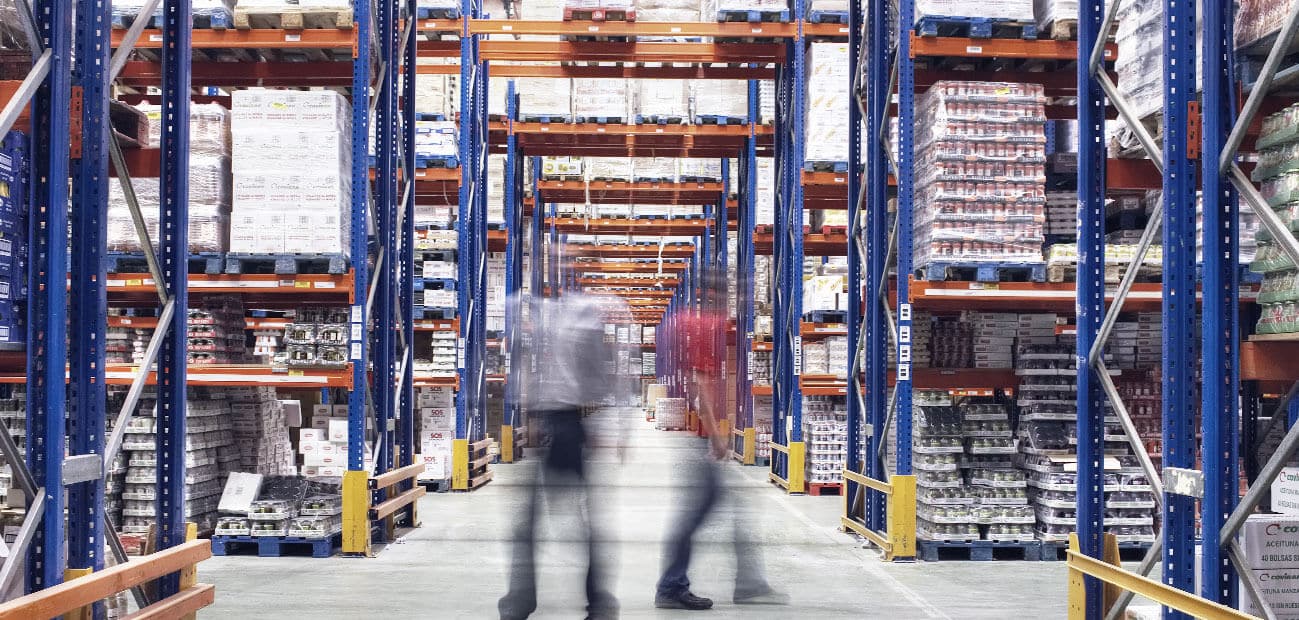

Another interesting fact is Millennials raised their generation’s average college attendance to 67 percent. This focus on college-based career paths shifts young people away from the trades. As a result, the number of available supply-chain workers has decreased from 29.7 M in the Boomer generation to just 15.2 M in the Millennial crowd. That is almost down by half in just two generations. Those numbers are alarming if your company is in the manufacturing or supply chain industry. But it is not all bad news.
Another factor is the decrease in job loyalty following the pandemic. The economy desperately needed workers to fill empty frontline spots so that two jobs were available to every person. (qualified or not). The flexibility to look for greener pastures led to a significant amount of turnover in the marketplace and to an increase “gig” work like Uber drivers and delivery services like Door Dash. What used to be considered a side hustle is now mainstream.
So, how does a traditional business compete in a changing marketplace? The answer is straightforward: attract the best talent and then retain them.
Attract
Companies need to change their recruiting strategies. What worked 10 years ago doesn’t work today. Employees are looking for job stability and want to work for a company that values sustainability, supports their community and offers a robust benefits package. They also demand competitive wages.
The number one way to attract and retain a quality workforce is to pay them well. Without a healthy pay structure, a company will not have access to the best quality candidates for their team.
In the mid-2000s, blue-collar wages remained fixed, but the cost of living continued to rise. When the pandemic hit, unemployment along with stimulus checks became as financially beneficial as working. Companies took notice wages for supply-chain workers saw a steep uptick of $4/hour in just three years.
Increasing payroll can be challenging given current inflation and economic conditions. Begin by evaluating the number of employees needed to do the work. Where could you safely reduce team members assigned to one task and redistribute them to other areas?
Have you considered robotics? Robotics takes the strain off of employees physically, reducing the amount of wear and tear on bodies due to redundant tasks. This reduces healthcare costs and workers’ compensation claims, saving your company money and helping your team stay physically healthy. Considering the predicted reduction in the incoming workforce, it makes sense to train and pay people for skilled work and automate what you can. The cost of robotics has already begun to come down; it may be time to take another look.
Retain
Each generation comes with its own personality, value system and set of experiences. The business practices that felt comfortable to the Boomer generation will not always fit the perspective of the Millennial generation. Revaluate your employee needs and benefits on a regular basis. Encourage your HR team to spend more time on retaining than recruiting.
Here are a few suggestions:
- Build a healthy company culture of shared values that recognizes outstanding employee efforts.
- Provide training and growth opportunities regularly.
- With busy lives, employees appreciate schedule flexibility. Are there options to work from home or to eliminate mandatory overtime? Keep shifts to eight-hour days, five days per week (statistics show only 11% of workers like 12-hour shifts, but it wouldn’t hurt to ask).
- Consider hiring part-time help to supplement your work force and take pressure off of your main crew.
- Be active on the company’s social media accounts. Your culture and reputation affect recruitment opportunities in both positive and negative ways.
- Whenever possible, provide your team with a pleasant work environment—air conditioning, industrial fans, clean lighting, fresh bathrooms and comfortable breakrooms.
- Equipment that is up to date with technology, ergonomically comfortable for the operator, low on emissions and runs quietly and safely certainly has more appeal than the alternative.
And don’t forget the benefits of automation for a team of nearly any size. Beneficial technology includes everything from automated warehouse storage and retrieval systems to automated conveyor systems, automated warehouse racking systems, robotic palletizing systems to automatic stretch wrappers and even industrial floor cleaning robots.
Remember those interesting statistics? Well, they do not have to be scary. Thinking creatively, doing a little research and getting more information on how to automate can help ease the way.
If you’re ready to learn more about finding the right equipment or looking to automate, and don’t know where to start, visit RiekesEquipment.com.
Are you prepared to meet these challenges?

Reduce Operator Turnover
Finding and retaining skilled operators is becoming increasingly more difficult for warehouses and distribution centers. Employee turnover is driving up costs and making it difficult to keep up with growing demand.
SOLUTION
Long repetitive tasks typically lead to higher turnover. By automating manual tasks, you can reduce dependency on labor while also promoting your skilled operators to more engaging, value-added tasks. This moves your challenge from recruiting staff to finding more meaningful tasks for them.
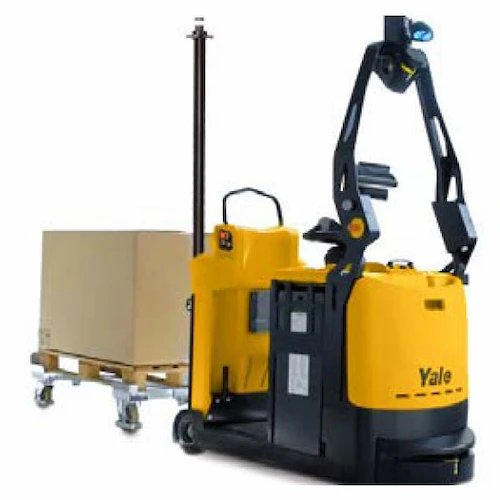
The Yale Robotic Tow Tractor takes over long, repetitive manual tasks and has a 15,000 pound capacity rating.

Keep up with volatile shifts in demand
COVID-19 rapidly changed customer behaviors and creating new challenges for warehouses. Operators are racing around the clock to fulfill growing online orders while also accounting for immense surges in market demand.
SOLUTION
With robotic trucks you can achieve scalable automation, covering a range of applications from low-level order picking to high-bay retrieval and storage. This provides the flexibility required to accommodate peak demand and the constantly shifting traffic patterns in your operations.
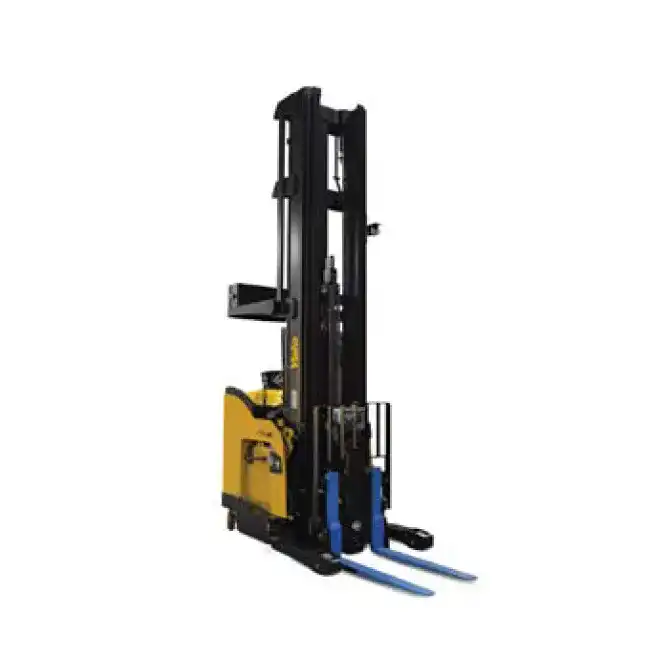
Accommodate growth by storing loads just over 30ft high with the Yale Robotic Reach Truck.

Minimize warehouse budgets & labor costs
Rising wages, high employee turnover and damaged equipment consume a massive part of a warehouse’s operational budget. Businesses need to start developing an automation strategy to reduce costs, increase efficiency, and remain competitive.
SOLUTION
Not only can robotics help lower operating costs by improving labor productivity and reducing product damage, it can also enhance the flow of material handling operations which will ultimately improve customer satisfaction. Automation can help reduce operating costs by up to 70%.
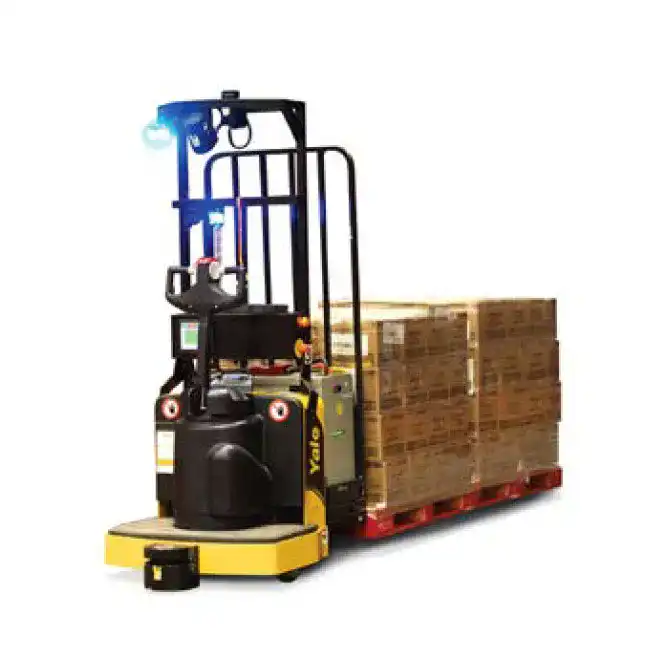
Reduce labor costs by automating pallet transfers up to 8,000 pounds with the Yale Robotic End Rider.
As technology and sustainability reshape the industry, industrial services play an increasingly crucial role in risk management. This shift is essential for creating resilient, future-ready warehousing operations.