
overhead crane operator training
You take safety seriously. We do too.
The majority of crane accidents are caused by human error which may result in safety risks and uncontrollable downtime. With regular inspections, crane operators can spot potential problems allowing you to perform repairs to prevent injury and costly service interruptions.
Riekes offers training for users that include what operators need to identify critical crane components that are subject to daily wear and damage.
In addition, according to OSHA, "Operator training shall be provided to promote proficient performance of the operator in conformance with the provisions of ASME B30.2/B30.17."
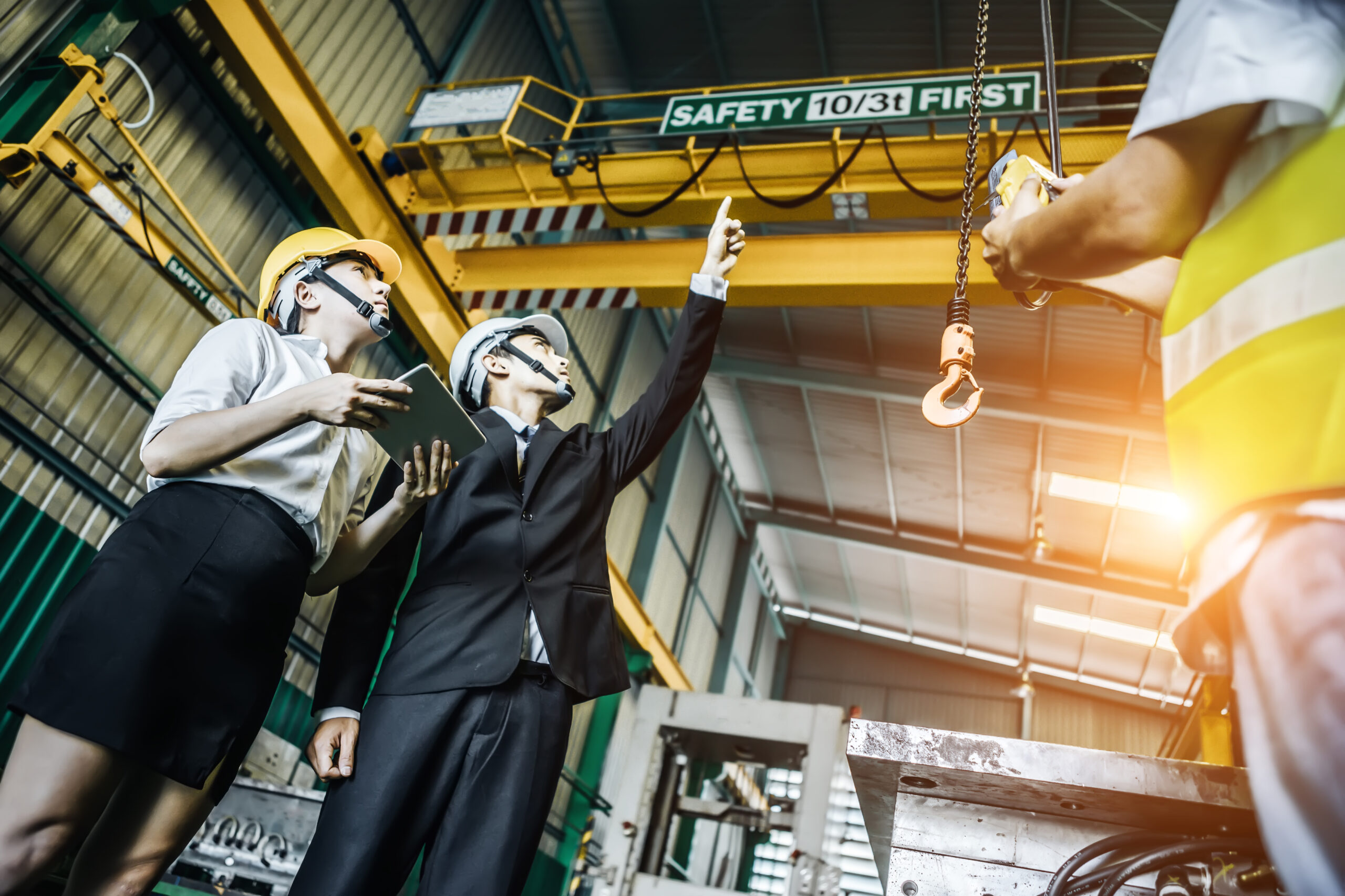
When it comes to OSHA guidelines, you want to be safe, not sorry.
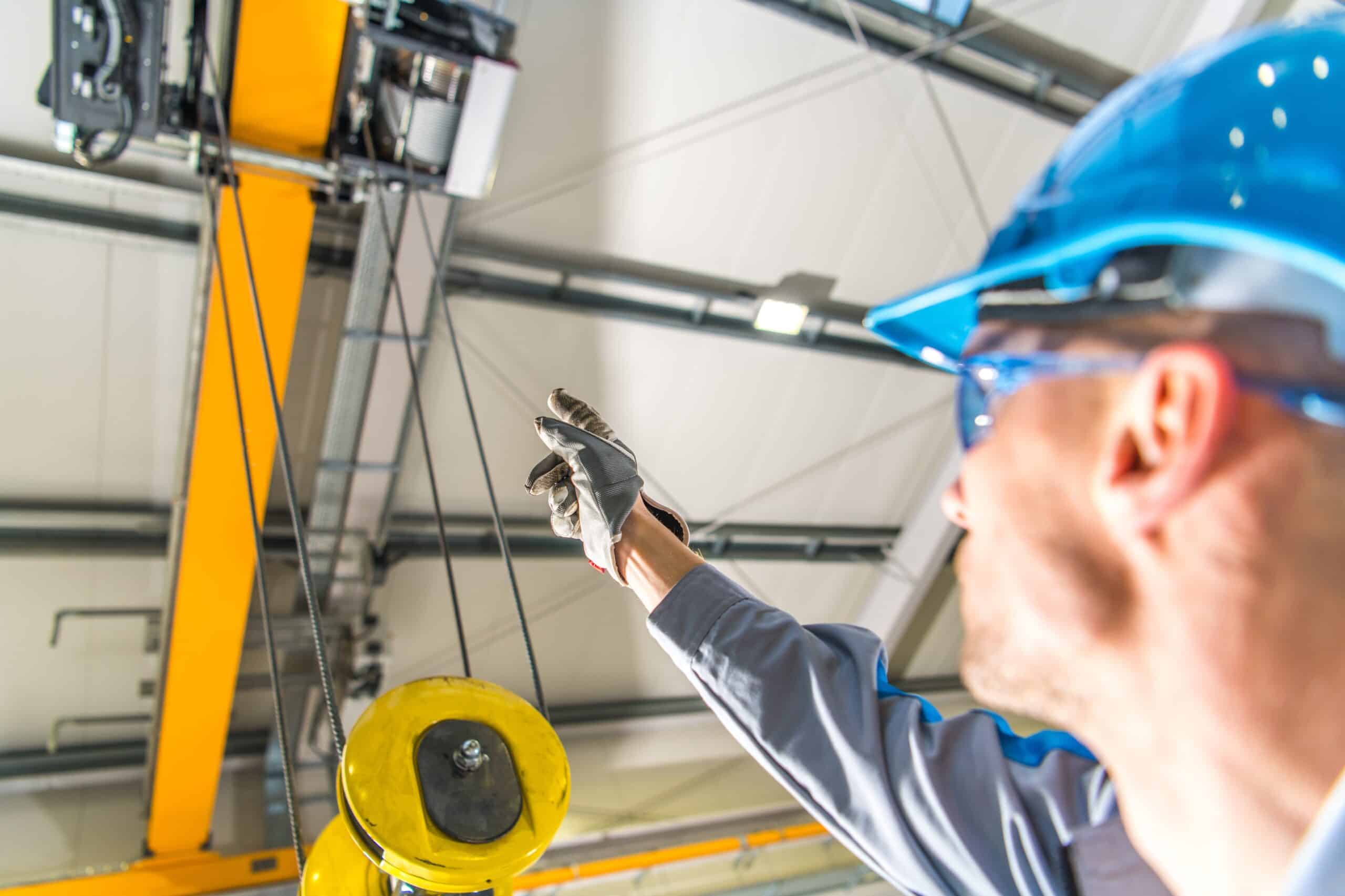
ABOUT THE COURSE
Our operator course introduces overhead cranes, reviews common overhead crane safety hazards, and discusses safety best practices for operating an overhead crane - based on Hoist Manufacturers Institute (HMI) lifting requirements.
Classroom and hands-on instruction cover:
- OSHA Safety Standards and Overhead Crane Terminology
- Safety: load charts, basic rigging principles and safe lifting practices
- Hazard recognition: pinch points, side pulls and operational limitations
- Pre-operation inspection: hooks, chains, wire ropes, slings and controls
- Instruction on proper signaling and communication with ground personnel
- Load Handling: Safe load movement, determining the load center of gravity, travel paths and work zone awareness
- Safe and Efficient Operating Techniques: Lockout/tagout and emergency shutdown procedures
- Training concludes with an end-of-course test to measure mastery of knowledge.
PRICING
- 2-Hour Operator Training Class
- Includes Hands-On Training and Certificate upon completion
$120 Per Person (minimum students for a class at your location)
WHO SHOULD PARTICIPATE?
If you’re operating an overhead crane, such as a bridge crane or a gantry crane, you need to take a training course to maintain compliance with OSHA regulations.