A Guide to Casters
Customize to fit your warehouse needs
Whether you need press-ons, skid steers, pneumatic solids or a specialty tire, we have an amazing selection with the durability and reliability you need. Our certified technicians can replace your tires at our facility or yours using our mobile press truck.
CASTER noun | cast•er | \’kas-tər\
- Any of a set of wheels or rotating balls mounted in a frame and used for the support
and movement of furniture, trucks, and portable equipment
Forklift tires are essential to your operations. But do you know when they need replaced? Read our handy tire replacement guide - it's free!
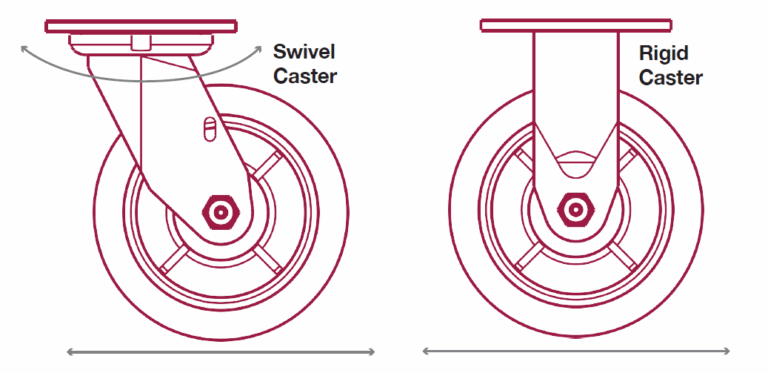
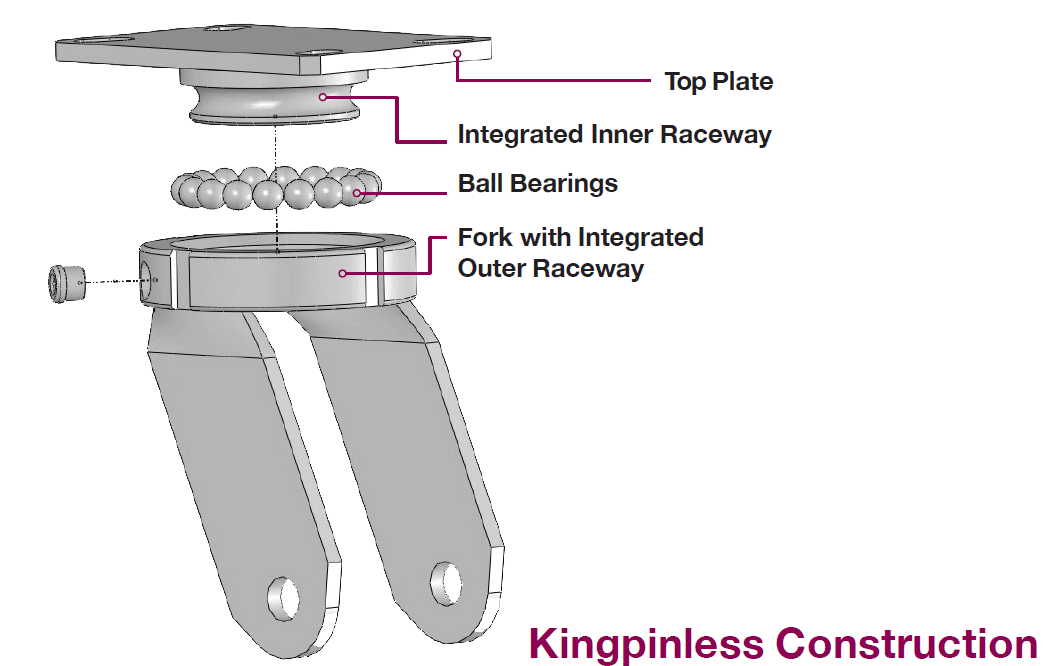
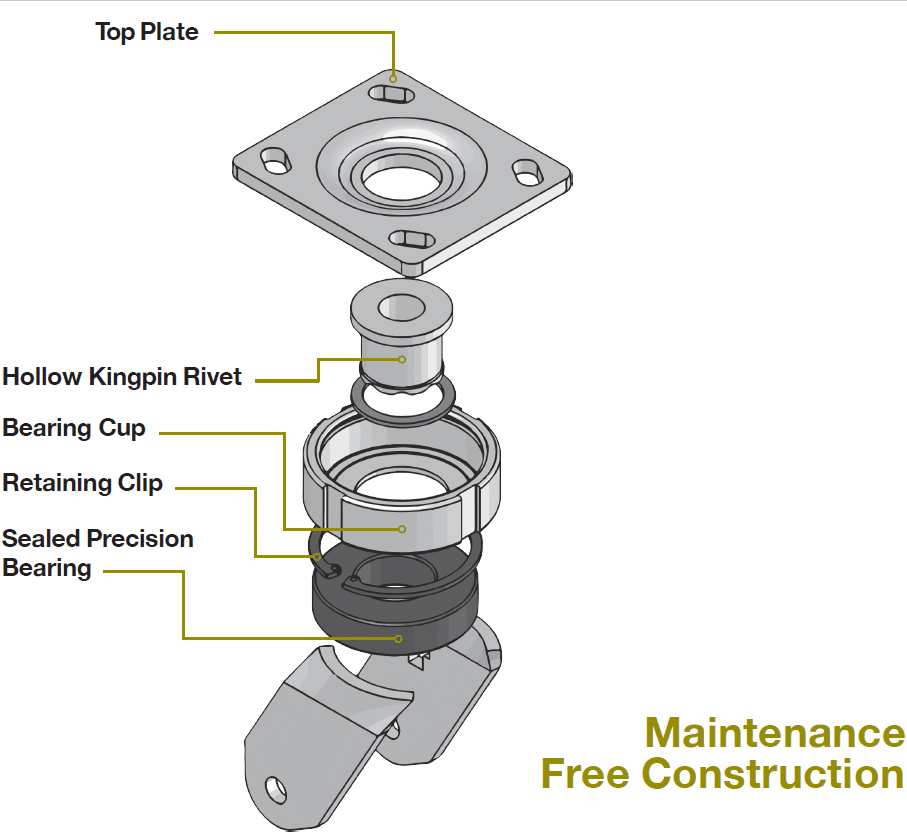
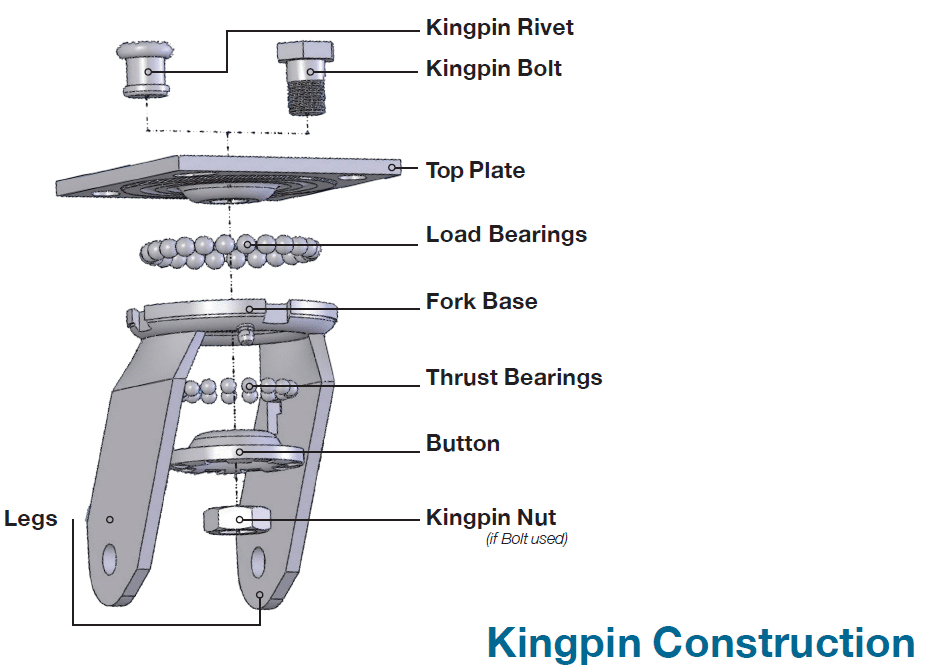
SWIVEL COMPONENTS
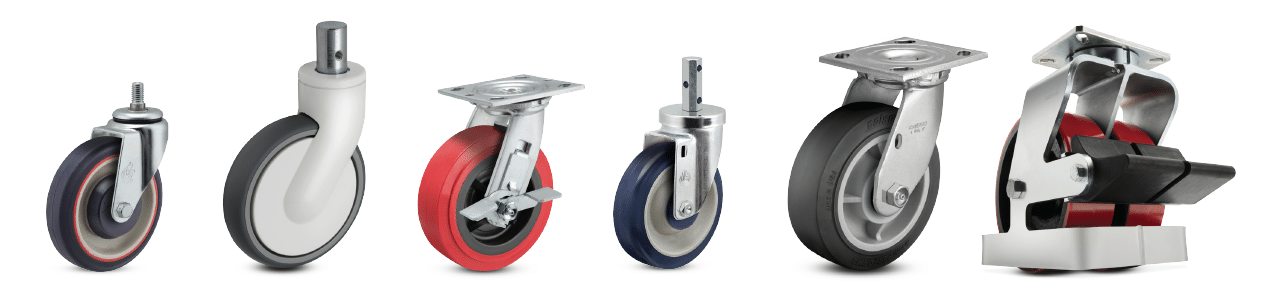
TYPES OF FASTENINGS
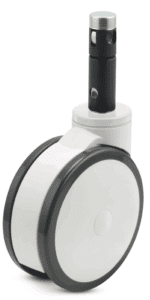
Central Locking
A medical caster that integrates into the central locking brake system.
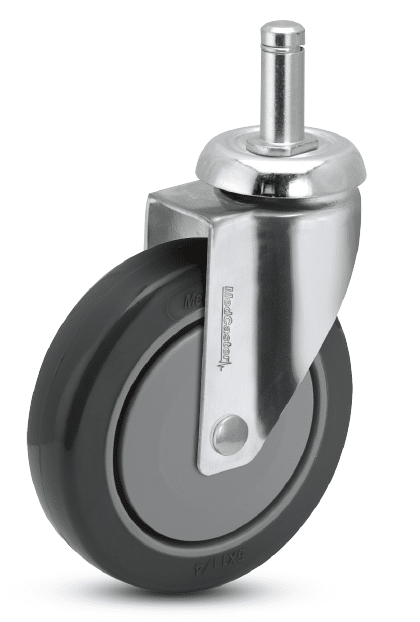
Grip Ring Stem
A steel ring compresses on the metal stem, creating friction to keep the caster attached.
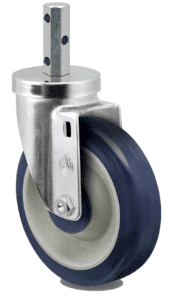
Square/round/ octagon
Shaped metal stem that is cross-drilled to bolt into the frame or tube.
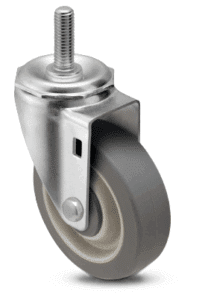
Threaded Stem
Threaded stem bolted into the caster that extends to secure into the unit or frame.
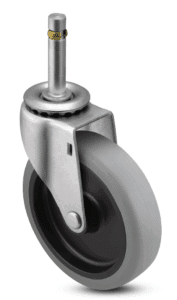
Grip Band Stem
A metal band compresses against the metal stem, creating friction to keep the caster attached.
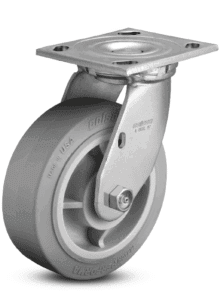
Top Plate
A horizontal plate for attaching a caster to equipment.
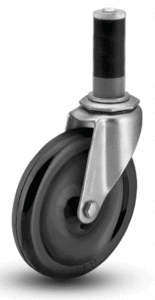
expanding adapter
An expandable rubber bushing creates friction against the tube interior.
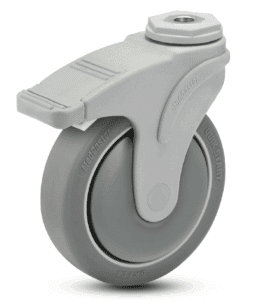
Hollow Kingpin
Open fastening - allows a user-supplied bolt to attach the caster to the unit.
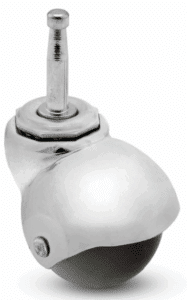
grip neck stem
A compressible metal stem creates friction to keep the caster attached.
TYPES OF WHEELS
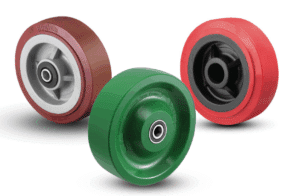
Polyurethane TIRES
• Non-marking, floor protection
• Resists chemicals and oils
• Excellent capacity, wear
resistance and strength
• Quieter and more shock-absorbing
(compared to metal)
• Various durometers, thicknesses,
tread profiles, colors available
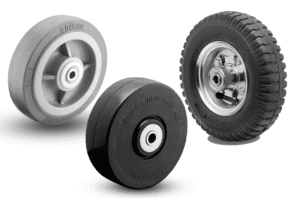
rubber TIRES
• Floor protection
• Quiet mobility
• Cost-effective
• Shock absorption
• Indoor/outdoor use (pneumatics)
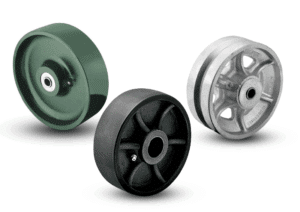
metal TIRES
• Highest load capacities
• Handles the most abuse
• Impact resistant
• Resistant to hot and cold
temperatures
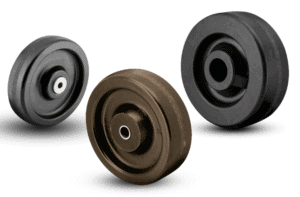
phenolic TIRES
• High load capacities
• Resistant to chemicals and oils
• Impact resistant
• Economical
• High-temp options
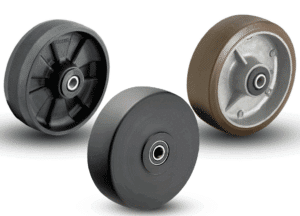
Nylon & Glass-Filled Tires
• High load capacities
• Impact resistant
• Corrosion resistant
• Resistant to chemicals and oils
• High-temp options
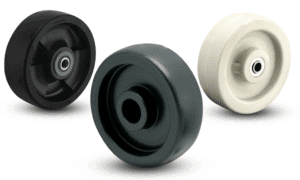
Polypropylene TIRES
• Economical
• Resistant to chemicals and oils
• Lightweight
• High-temp options
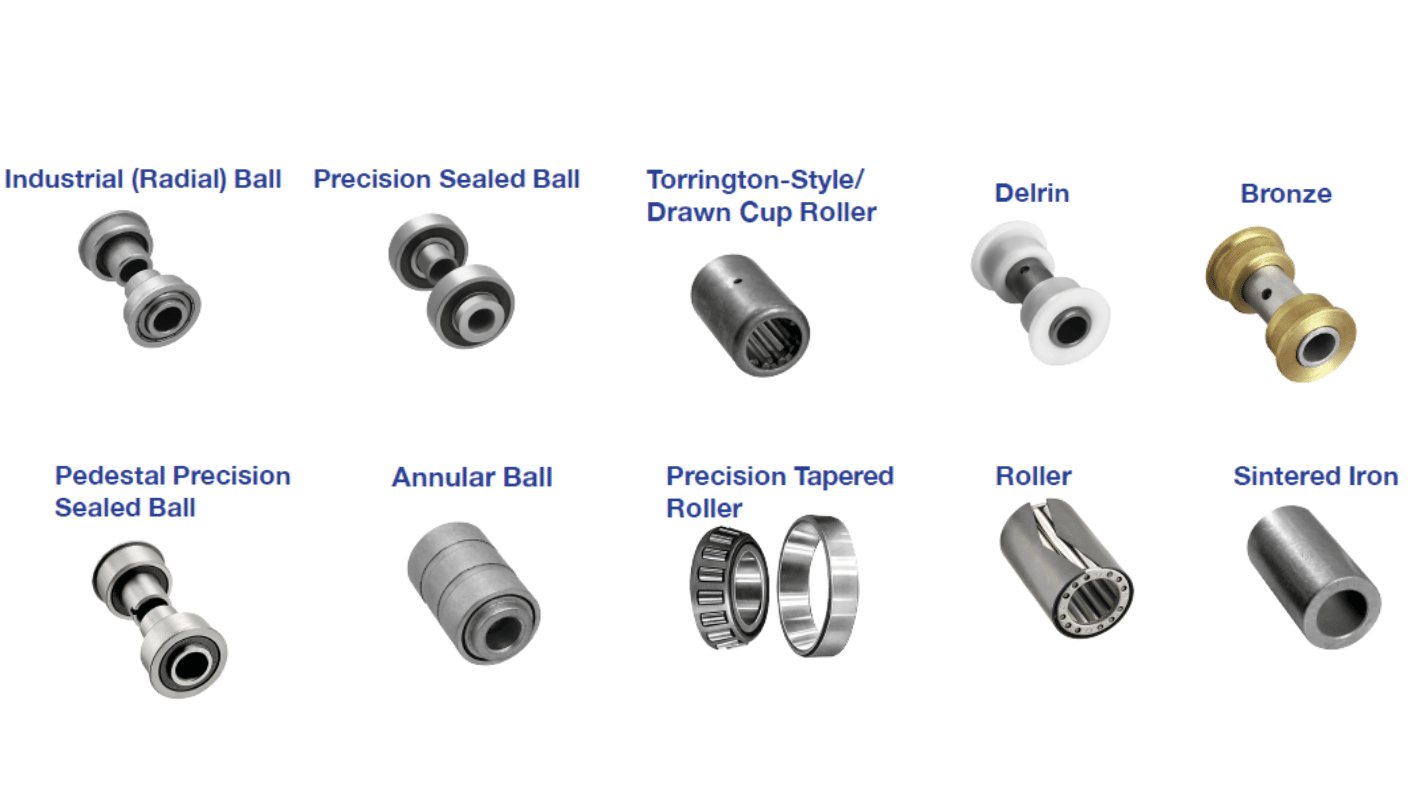
TYPES OF WHEEL BEARINGS
TYPES OF BRAKES
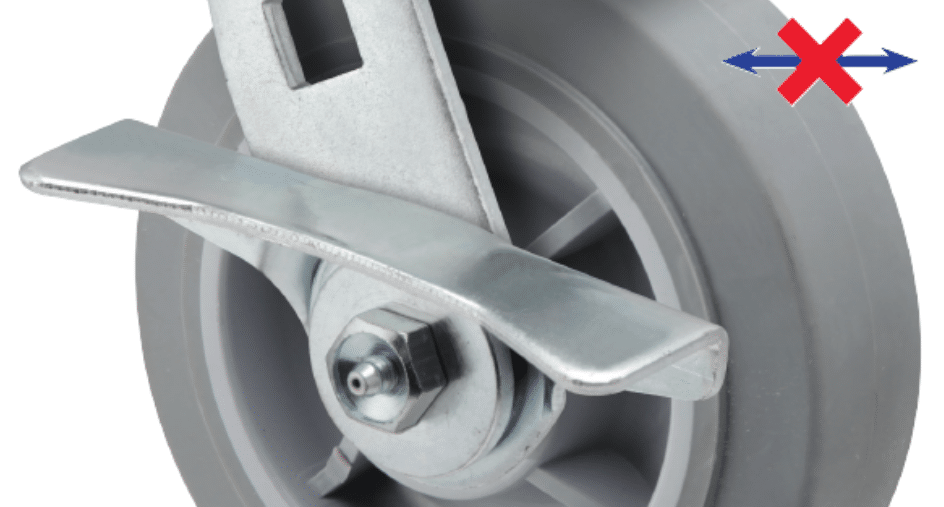
cam-style brake
The brake mechanism creates a positive locking force against the wheel hub.
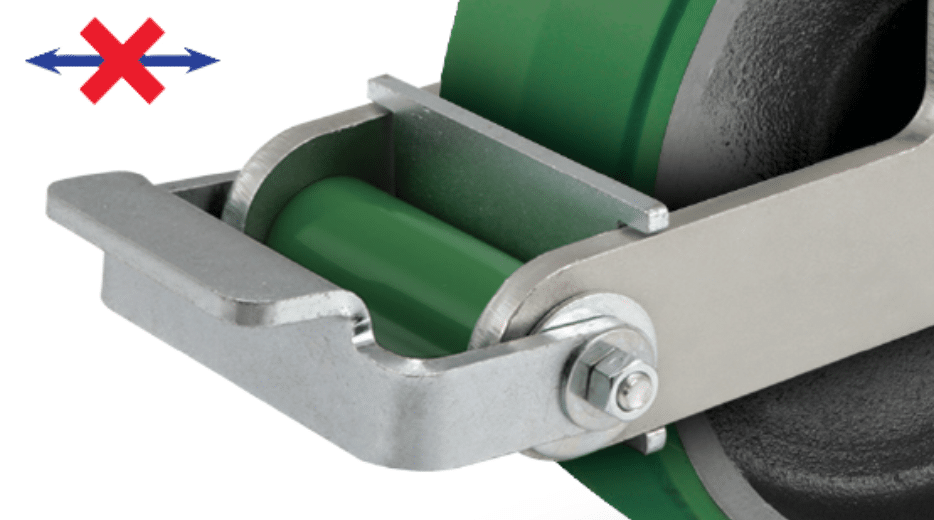
poly cam brake
Polyurethane “log” creates positive locking force against wheel tread; metal plate reduces tread wear.
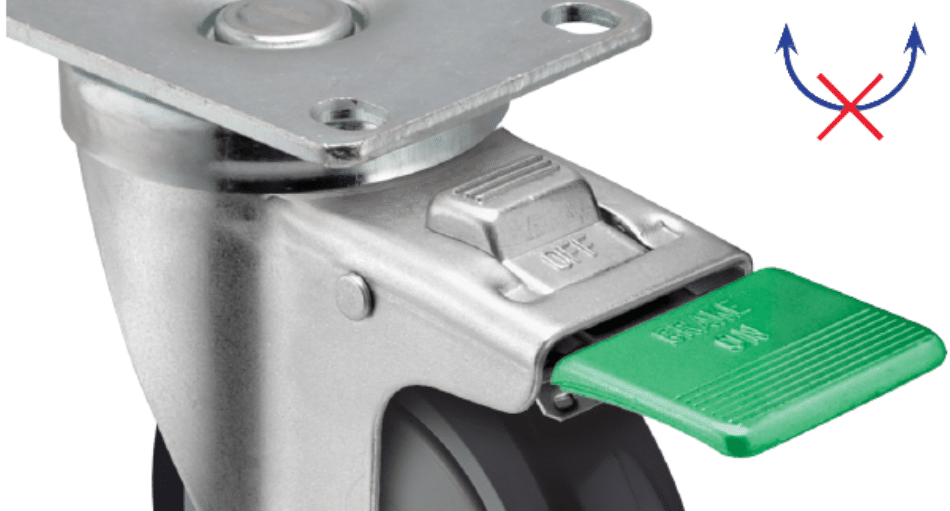
Direction Lock Brake
The brake spring engages the lower raceway washer, preventing swivel. Caster can move laterally in a locked direction. Ideal for tracking.
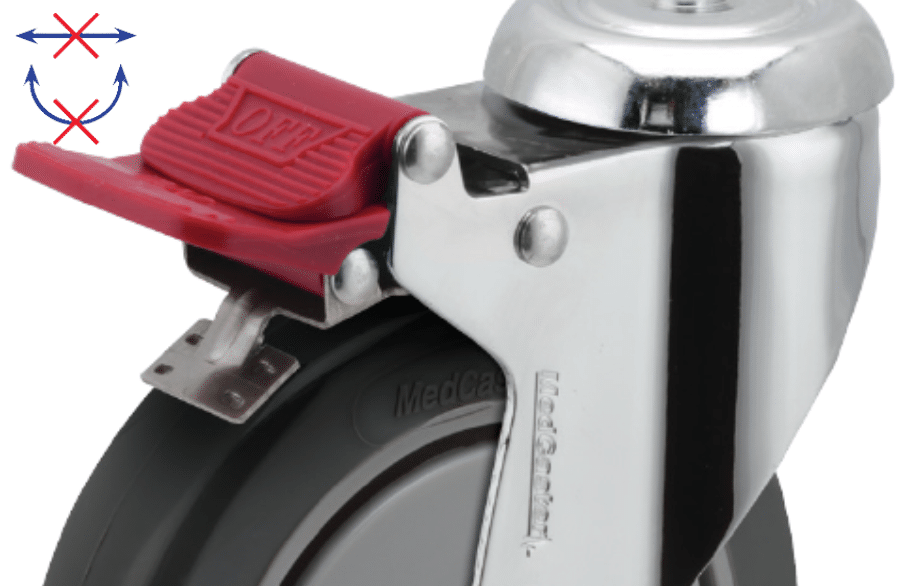
Total Lock Brake
The brake spring engages with both the wheel tread and lower raceway washer, preventing any motion.
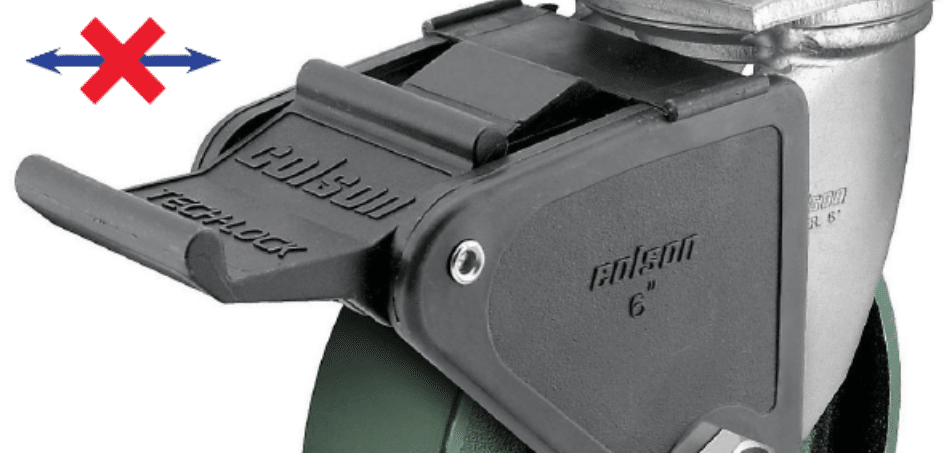
Face Brake
The brake engages through interaction with the face of the wheel. The mechanism is usually on top or in front of the wheel.
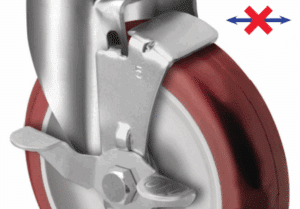
Side Lock/Top Lock Brake
Side-mounted brake mechanism uses an arm to create a positive locking force against the wheel tread.
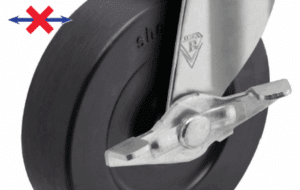
friction brake
The brake mechanism presses against the caster leg, creating friction against the wheel hub.
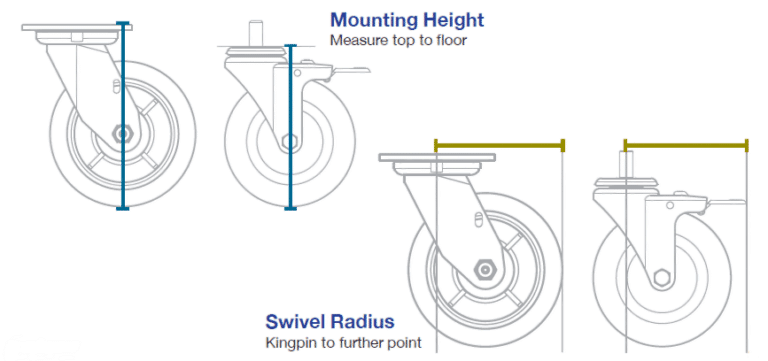
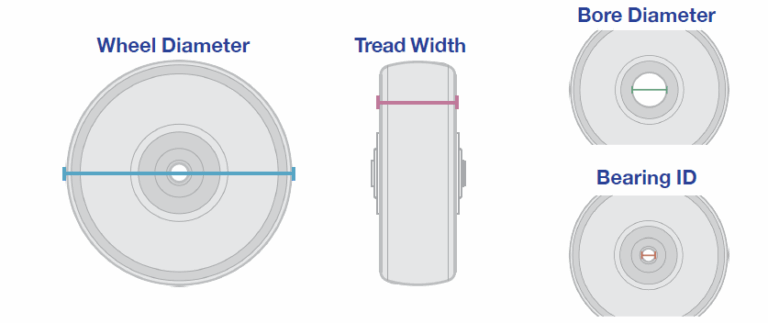
CRITICAL MEASUREMENTS FOR BUILDING YOUR CASTER.
Nitrile Rubber
In industries where there could be the presence of petrochemicals, animal fats or other oil type substances, these tires would be the better choice. The rubber is designed to be oil resistant without losing performance.