
Reduce Downtime & Repair Costs: 10 Forklift Maintenance Tips
Why Consistent Forklift Care Protects Your Budget
Forklifts work hard every day. When you let maintenance slip, small issues can turn into big breakdowns causing lost productivity. Or even worse, creates a safety risk.
The good news is that most problems are preventable with simple habits.
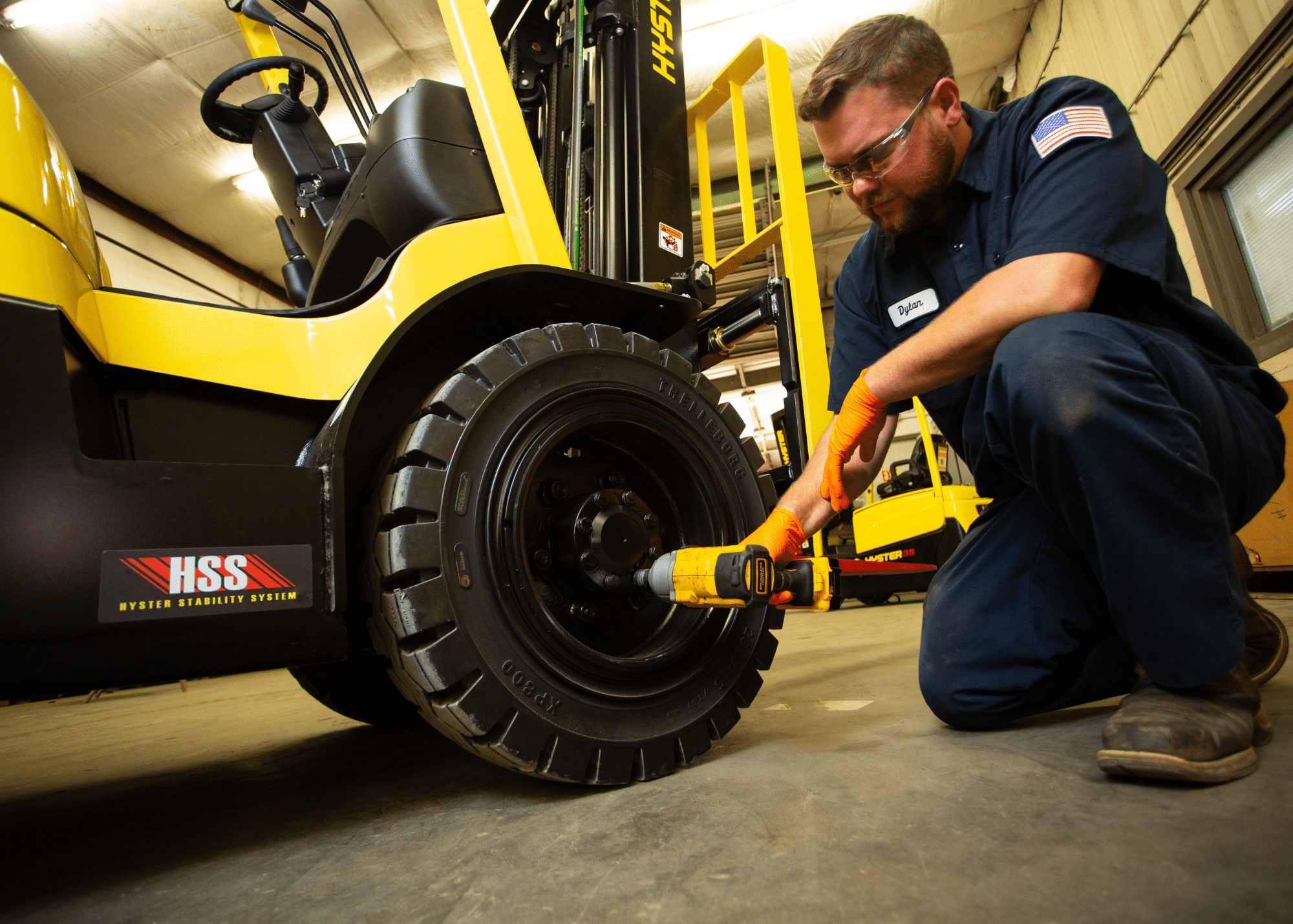
Operators should check brakes, forks, tires, fluids and controls before every shift. Daily inspections catch issues before they become safety incidents or cause equipment breakdowns.
2. Document Those Inspections
Electronic checklists create a clear record for OSHA compliance and internal accountability. Documentation also make it easier to spot trends across your fleet. Patterns reveal which trucks need attention, which operators need coaching and when it’s time to plan replacements. Using data to guide decisions helps prevent repeat failures and extends the life of equipment.
3. Keep Forklifts Clean
Excessive dust and debris can shorten component life. Wash your forklift regularly blow out radiators, wipe down surfaces and replace dirty filters. Clean equipment just lasts longer.
4. Inspect Hydraulic Hoses Often
Cracked or leaking hoses lead to sudden failures. Replace hoses at the first sign of wear to avoid unplanned downtime.
5. Watch the Condition of Tires
Chunking, cracking or flat spots reduce tire stability and performance. Read this tire replacement checklist for more information and examples of these issues. Also, make sure tires match your floor type and application for safe use.
6. Charge and water equipment batteries on a routine
Recharge batteries after an eight-hour shift or when they reach 30% charge. Consistent charging and watering extends battery life and improves run time.
7. Train Operators on Proper Use
Poor driving habits cause unnecessary wear and with operator turnover, it is easy for training to lapse. Ongoing operator training reduces damage to forks, masts, tires and even batteries.
8. Follow the Manufacturer's Service Schedule
Most forklifts need preventative service every 90 days or 100 hours. Staying on schedule helps catch wear early and helps you avoid expensive repairs later. If you are unsure of your equipment service needs, contact your local dealer for more details.
9. Partner with a trusted service provider
A proactive service partner does more than fix breakdowns. They help plan preventive maintenance, track equipment health and identify issues before they cause downtime. With a consistent service history repairs become predictable instead of disruptive. The result is fewer emergency calls and better control of your budget.
10. Retire Old Equipment
There are lots of factor that age a forklift including environment and hours of use. And every forklift has a point where repair costs outweigh its value. An old truck can quickly cost you more than you realize. Replace aging equipment with newer models can often reduce costs and definitely lowers the risk of unexpected downtime.
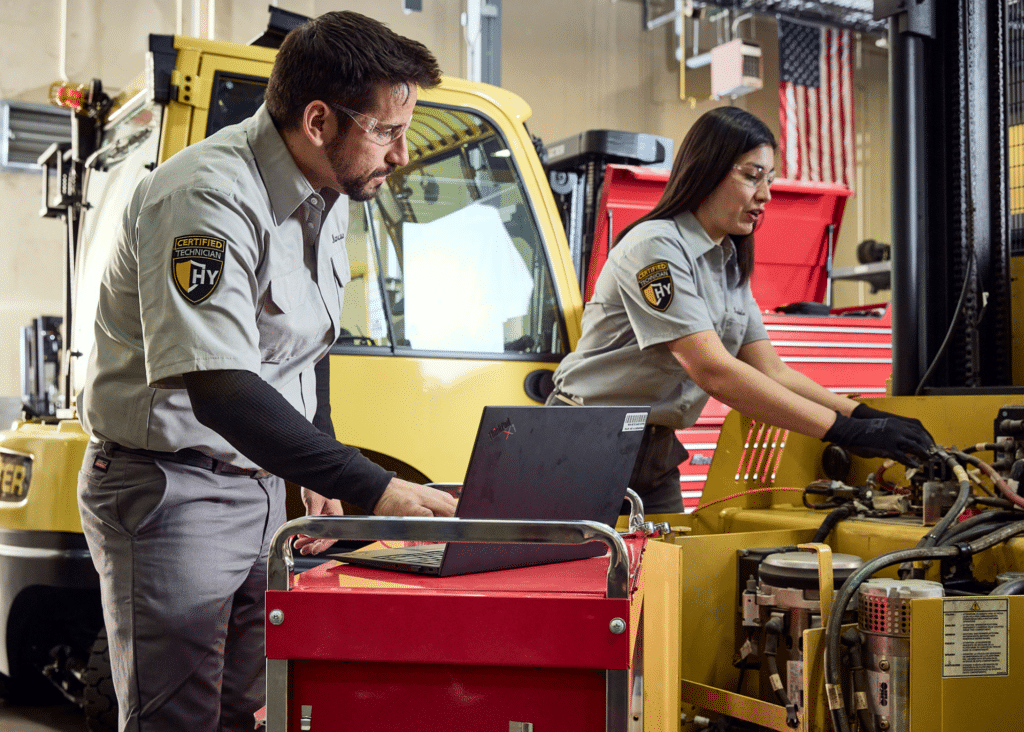
Forklift maintenance is not just about keeping equipment running. A proactive approach today helps avoid disruptions tomorrow and keeps your operation moving for the future.