
Why Order Picker Forklifts Are Essential for Piece-Picking Operations
fast, accurate picking can make or break your operation
Warehouse operations continue to face rising expectations. Customers expect faster delivery. Orders are smaller and more frequent. Accuracy is critical for success.
Industries such as e-commerce, 3PL, distribution and retail all depend on efficient piece-picking operations to keep products moving. In fact, the pressure to pick more orders in less time has forced many businesses to rethink how they move and access inventory.
Traditional lift trucks are designed to move pallets, not support frequent picking activity. But, one forklift stands out in these environments: order pickers.
Order pickers are built specifically for piece-picking operations where workers must retrieve individual items rather than full pallets. When properly configured, these trucks can improve productivity and reduce picking errors.
Understanding Order Pickers
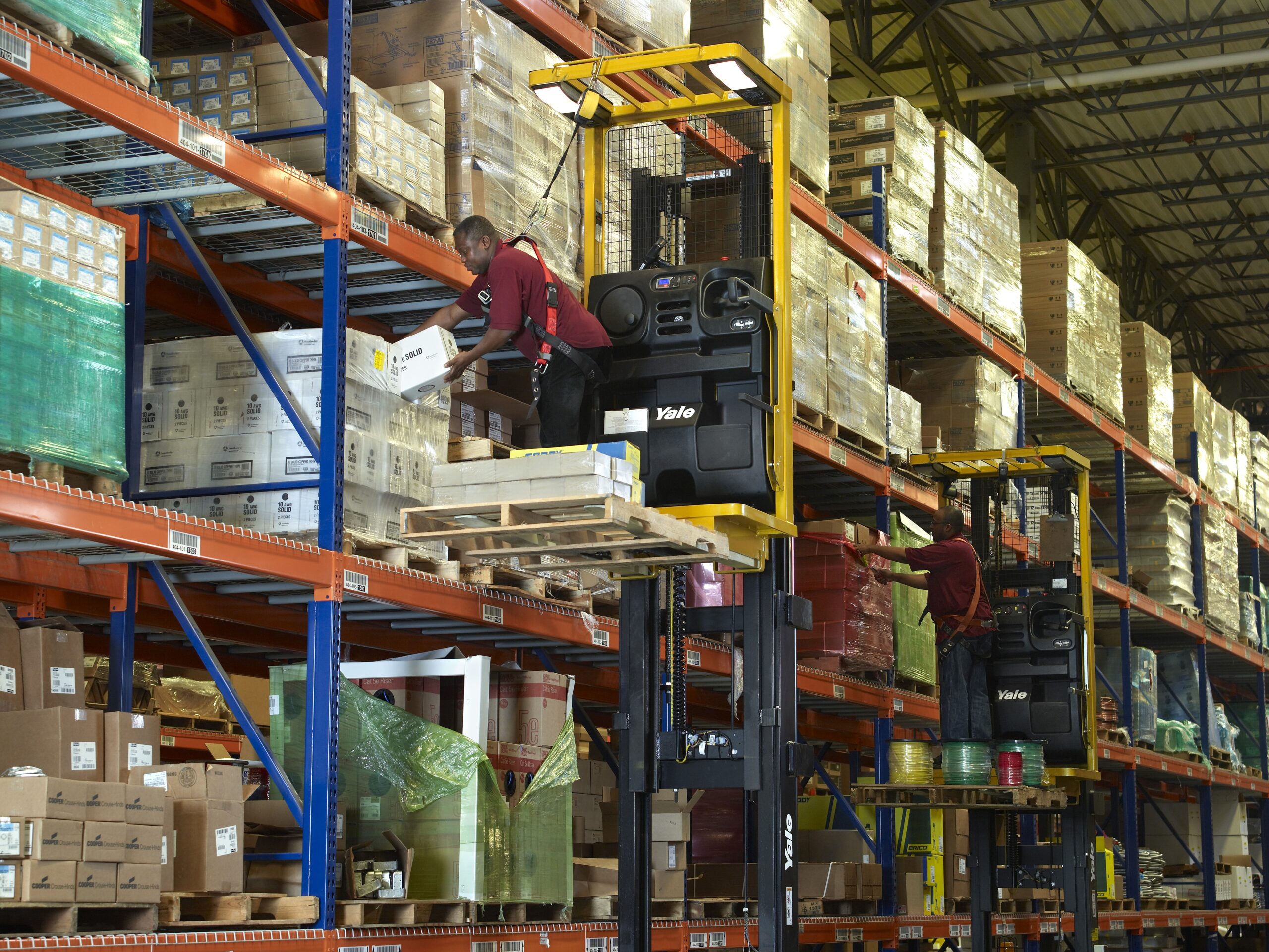
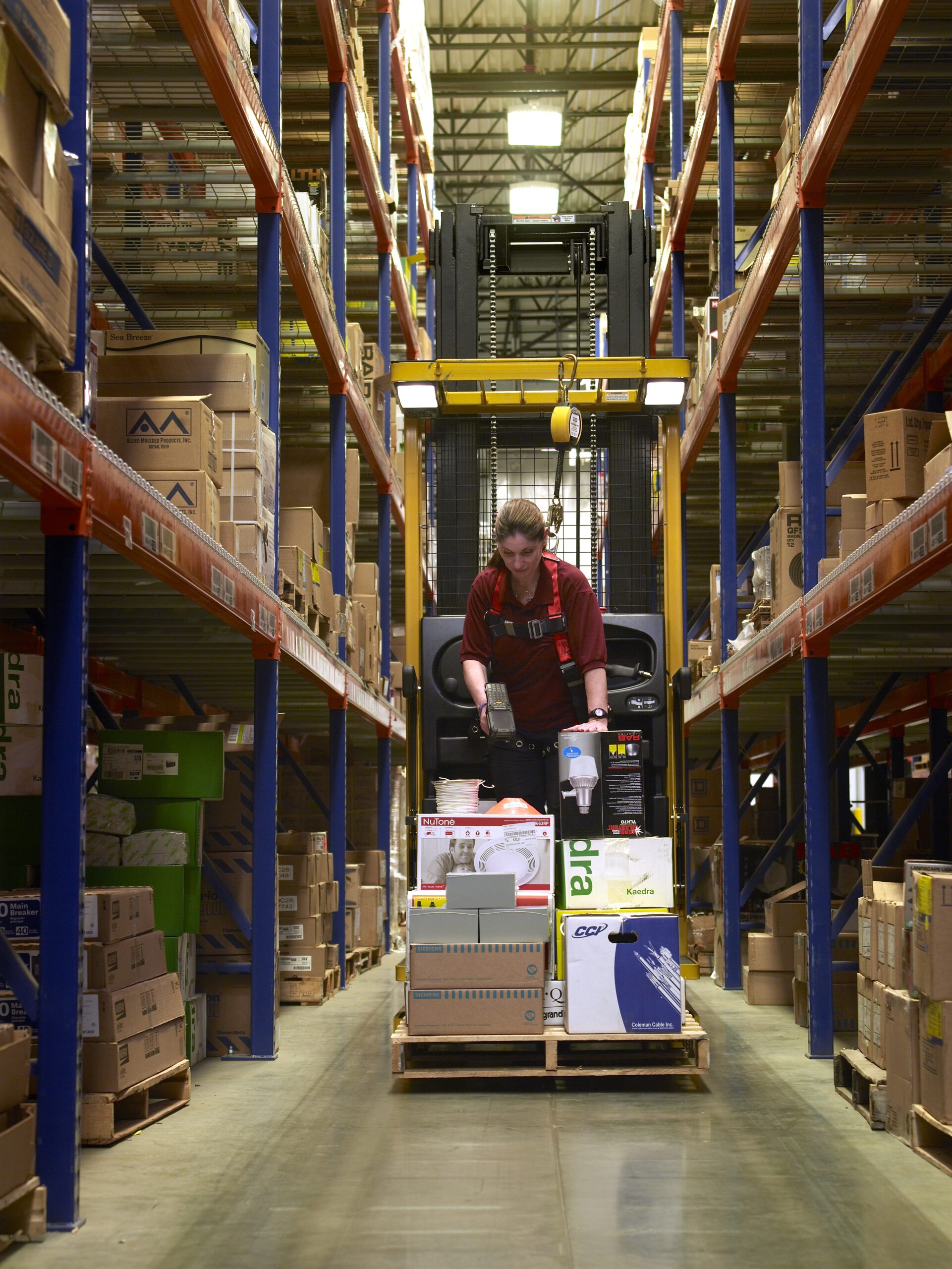
Order pickers are lift trucks designed for piece-picking tasks where the operator is elevated along with the platform to easily access inventory.
Instead of lifting only the forks, the entire operator platform rises. This allows the operator to retrieve product directly from storage locations- even at tall heights. The operational advantage is simple. Operators can reach inventory directly where it is stored. This eliminates extra handling steps and keeps the picking process moving.
Order pickers are typically used in three picking scenarios:
Low-Level Order Picking
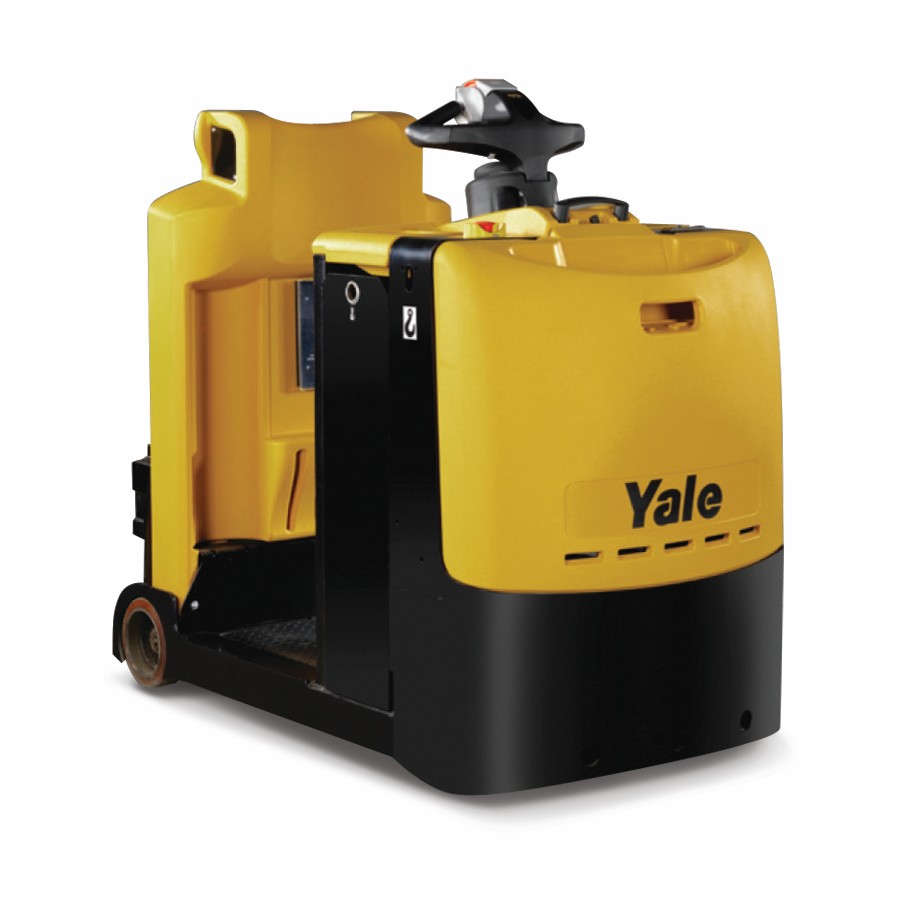
Operators pick items from ground level or lower racks. Trucks in this category focus on maneuverability and quick travel speeds between pick locations.
Medium-Level Order Picking
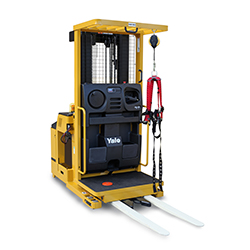
This requires operators to reach several rack levels while maintaining efficient travel through the warehouse. Medium-level trucks balance lift height and speed.
High-Level Order Picking
Facilities with tall rack systems often require operators to access inventory at significant heights. High-level order pickers allow safe and efficient access to these locations.
Order Picking is Very Different from Traditional Pallet Handling
In a pallet-based operation, a forklift moves full loads from one location to another. The efficiency comes from moving large quantities of product at once.
Piece picking works differently. Operators must access individual sleeves, cartons or pieces stored in rack systems. This requires precision, frequent stops and often a long reach. Operators may need to leave the truck repeatedly or rely on ladders or manual processes. This slows down the picking and increases the chance of errors.
Several challenges can make this work even more demanding:
- To maximize storage density warehouses are designed with narrow aisles.
- High racking systems that extend vertical storage can be difficult to reach
- The increasing number of orders and SKU variety increase the likelihood of errors.
- And labor shortages mean workers need to stay productive and precise over long shifts.
Order pickers solve these problems by allowing the operator to move with the load and access inventory directly within the rack.
Order Pickers Also Support the Forklift Operator
In a piece-picking environment, the operator plays a big role in productivity. A typical shift can involve hundreds of picks and continuous travel through the warehouse. Equipment design has a direct impact on performance, but for the forklift, and the operator.
Order pickers include features that help reduce fatigue and support efficient work throughout the shift including:
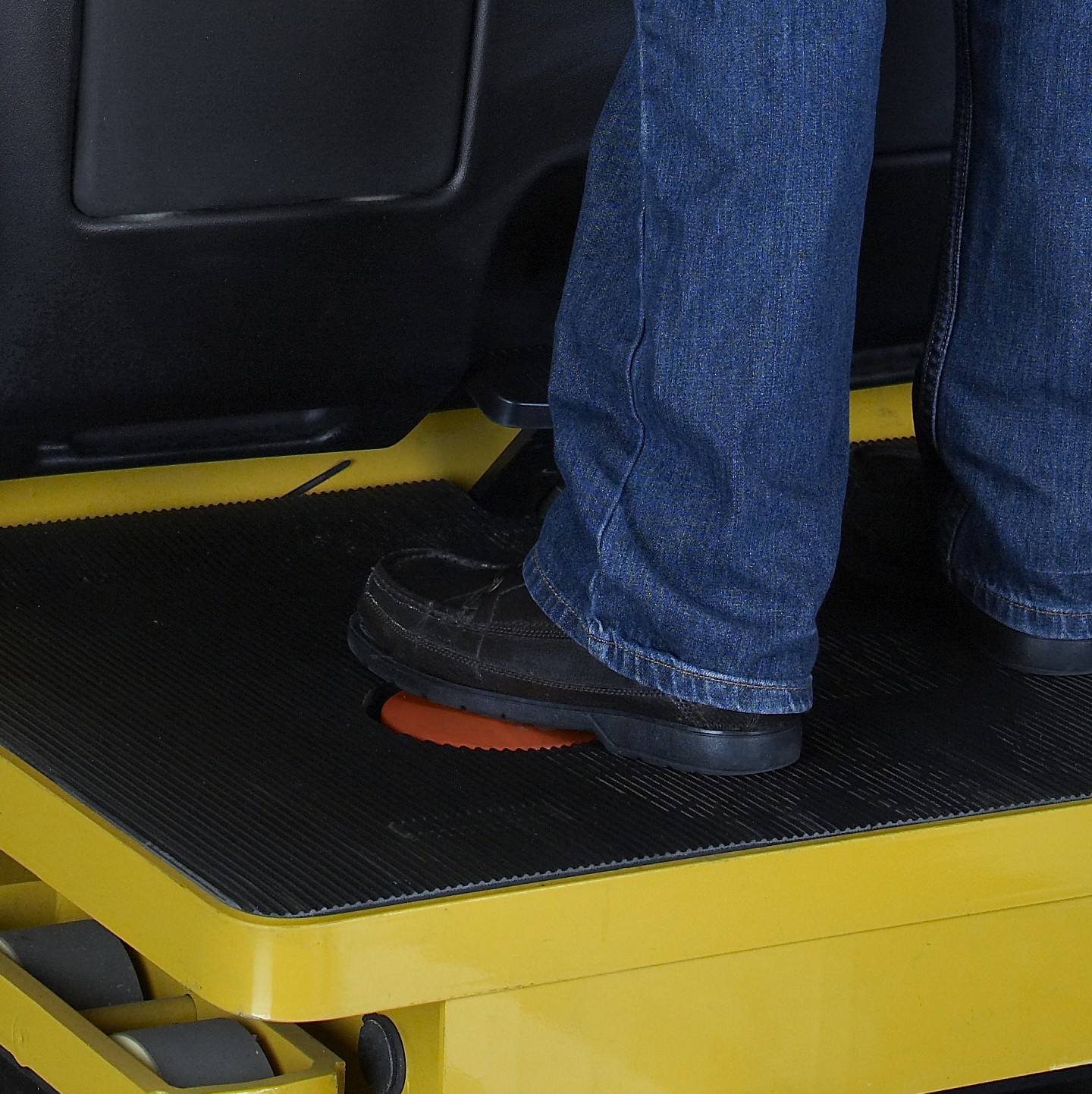
- Comfortable operator compartments
- Intuitive control layouts
- Smooth lift and travel functions
- Clear visibility to racks and product locations
Comfort also matters. Operators who feel confident and supported by their equipment are more likely to maintain consistent picking speeds throughout the day.
When equipment is easy to operate, new employees can learn the process faster and tenured employees can get more done. This helps a lot when dealing with ongoing labor challenges.
Selecting the Right Order Picker
No two warehouses operate exactly the same way. Equipment must match the workflow of the facility. There are several factors to consider when choosing an order picker.
- Capacity requirements - The truck must safely handle the combined weight of the operator, platform and product.
- Lift height - The maximum height should match rack design and storage layout.
- Aisle width - Warehouses with narrow aisles may require specialized trucks designed for tight turning radiuses.
- Load types - Some operations handle cartons while others manage larger cases or mixed product loads.
Versatility is also important. Many facilities benefit from equipment that can support multiple picking zones or adapt to changing inventory profiles.
Order Pickers Mean Faster, More Accurate Picking
As warehouse demands continue to increase, piece-picking efficiency becomes more important.
Order picker forklifts help operations meet these expectations by allowing operators to access product quickly, move through the facility efficiently and maintain accuracy throughout the picking process.
When the right configuration is selected, the benefits are clear:
- Faster picking cycles
- Improved accuracy
- Reduced operator fatigue
- Better alignment between equipment and workflow
Choosing the right equipment requires understanding the operation and the challenges it faces.
If your facility is reviewing its picking process or planning future growth, it may be time to evaluate whether your current equipment supports your goals.
Planning Ahead for Performance
Equipment should support both current operations and future growth. Over time many warehouses experience gradual changes in order volume, SKU counts and storage density. Without proper planning, picking processes can become strained.
It is valuable to periodically review:
- Picking efficiency and travel patterns
- Areas where congestion is becoming more common
- Rack configurations and vertical storage options
- Labor utilization during peak periods
These insights help determine when equipment upgrades or changes may be needed.
Proactive planning allows operations to introduce new equipment at the right time. A warehouse assessment, fleet review or equipment demonstration can help identify opportunities to improve performance and keep orders moving efficiently.
Proper planning ensures the truck supports the workflow rather than creating new bottlenecks. Working with an experienced equipment dealer can help identify the right solution and position your operation for steady, long-term performance.
When equipment is matched to the picking process, warehouses gain the speed, accuracy and reliability required to keep orders moving and more customers satisfied.