
Common Warehouse Racking Mistakes to Avoid
Warehouse racking is integral to a well-functioning supply chain and can save businesses time and money. By taking the time to properly design and maintain your racking systems, you can significantly enhance the productivity and safety of your warehouse operations. Several mistakes are frequently made when it comes to pallet racking systems. However, proper maintenance and safety practices will help you avoid these common missteps.
Reconfiguring Racks Without the Expertise
Sometimes changes need to be made to optimize your space and increase pallet slots. And most companies can gain up to 50% more space in the same footprint. But when dealing with high-density storage - details matter. Inadequate expertise in reconfiguring warehouse racking can lead to serious safety risks for both employees and inventory.
Reconfigured racks might not be properly anchored or could exceed load capacity limits, increasing the likelihood of accidents and structural failures. An expert will understand the importance of adhering to safety standards and regulations, ensuring that the reconfiguration is safe for both employees and your assets.
Improperly Anchoring Racking or Having Inadequate Shims
It is always best to anchor your racking systems to a sturdy structure such as the floor of your warehouse. In fact, Rack Manufacturers Institute (RMI), American National Standards Institute (ANSI) MH16.1-2012, requires that all pallet rack columns are secured to the floor with bolts. This not only includes aisle columns, but it also extends to the interior or rear columns on all frames. A racking collapse due to improper anchoring not only endangers lives but can also result in significant inventory damage and financial losses.
Not Using Racking as It Is Intended
Every piece of a racking system has a specific function and needs to be used for the purpose it is intended. Getting creative to save dollars- like using uprights as shelving or putting products directly on uprights - will always cause safety issues later.
FORGETTING TO ANCHOR CORRECTLY
You do not want your rack swaying every time you place a product on it. Connect it to the floor and use proper rack spacers and top ties to keep your product and employees safer.
Inadequate Aisle Width for Operators
90% of rack failures can be attributed to forklift impacts. This risk can be significantly reduced by wider aisle width, using the right forklift for narrow aisles and installing protective devices such as rack guards.
Letting Racking Damages or Rust Accumulate
One of the costliest mistakes is to let damage accumulate. This not only increases your costs but your problems. Racking systems are designed to support heavy loads and must maintain their structural integrity. Over time, minor damages can lead to major safety hazards. While minor dents, bends or scratches may seem inconsequential on their own, over time, these seemingly small issues can add up and have a significant impact on the safety and integrity of the racking systems. Promptly address any issues to keep your racking in optimal condition.
Mixing & Matching Rack Components
There are many styles of manufactured pallet racks and although they may look similar, they are not interchangeable. Even a common style of rack can have differences from manufacturer to manufacturer. It is never a good idea to mix and match components from different racking systems within a single structure.
Making Racking Repairs Yourself
All we have to say is, “Don’t Do It!”. Put the welding tool down. It will not be worth it in the end.
Inadequate or Missing Protective Devices
No one wants their forklift colliding with the racking in a warehouse. Make sure this doesn’t happen by installing rack guards or column protectors. Use a safety device that attaches to your racking and alerts your workers when someone is coming around the corner to avoid collisions.
Skipping Racking Safety Inspections
Over time, daily wear and impacts from forklifts and pallets can compromise the integrity of the racking. Ignoring these issues can lead to dangerous accidents, inventory damage, and costly repairs.
Doing racking inspections regularly to keep up with OSHA guidelines will help reduce these costly mistakes and protect your team. Keeping your team safe and addressing issues now reduces overall costs and product damage. If you have concerns about racking safety in your operations, Riekes Equipment can complete a racking assessment to help identify potential issues and safety opportunities.
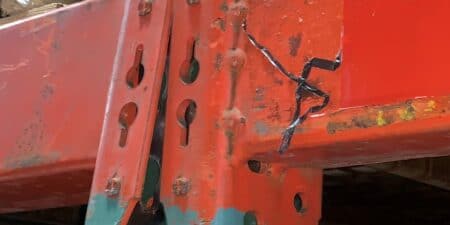
Rack beam end plate is disengaged
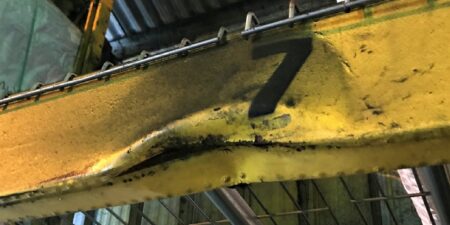
Rack beam with severe damage
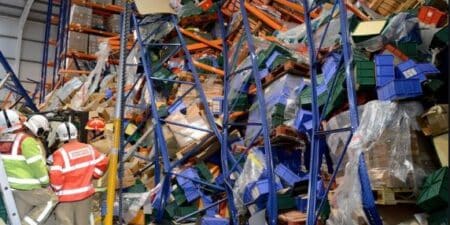
Collapsed racking
configurable retail storage solutions
Explore engineered-to-order products for retail space optimization:
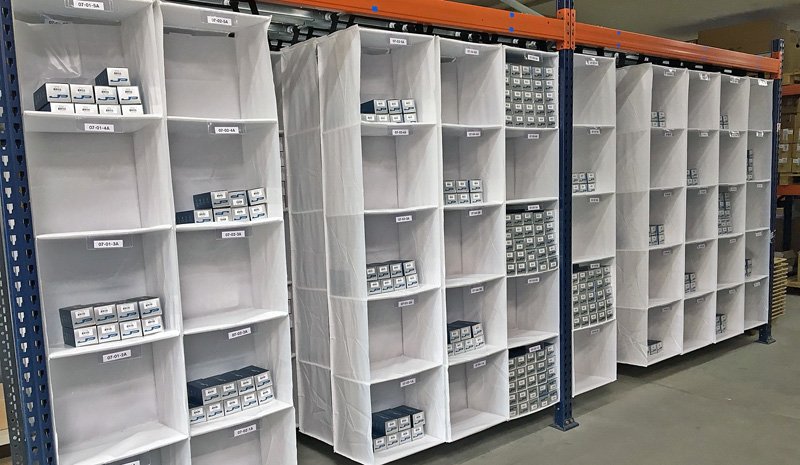
Increase storage efficiency and space utilization in your retail backroom. Dynamic SpeedCell columns easily drop into existing pallet rack to increase SKU density and pick facings.
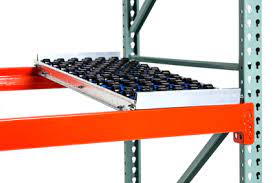
Reduce travel time for order pickers while maximizing space and creating ideal FIFO storage flow for orders and products with SpanTrack wheel beds.
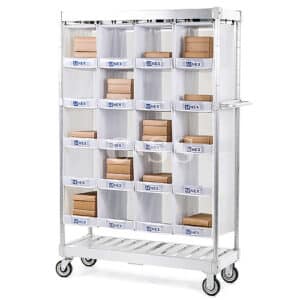
Mobilize your picking process with SpeedCartt; a modular order picking cart. Available in 4 sizes with durable built-in label holders to make organizing, segregating, and separating orders easy.
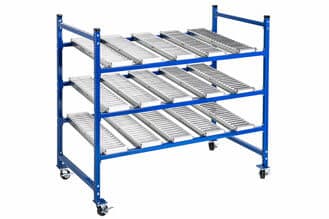
Improve organization and ergonomics with a FlowCell packing station. Reduced clutter in the packing area will improve the overall accuracy of the packing process.
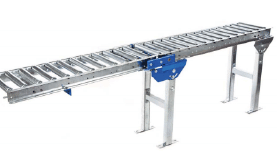
Gravity Conveyor is an ideal solution for instantly establishing conveyor lines for packaging, shipping, and receiving, and more.
LEARN MORE ABOUT SPACE OPTIMIZATION