
Beverage Industry Solutions for Labor and Efficiency Challenges
ADDRESSING THE TOP CHALLENGES
Increased urbanization and consumer demands for greater product selection and availability have driven unprecedented levels of SKU proliferation in the beverage industry - requiring drivers to deliver smaller, more frequent orders to a growing number of retail channel outlets.
Route drivers navigating retail parking lots and store aisles with perishable consumables have the additional challenge of addressing increased and evolving cleaning and safety protocols - without compromising strict delivery schedules. In fact, food and beverage, as a combined grocery sector, has seen increased online sales as a result of changing consumer purchasing behaviors; placing more essential grocery orders online.

U.S. eCommerce sales raised roughly 40% in 2020 compared to 22% in 2019 and are expected to stabilize globally at a CAGR of 23.4% through 2023 (Supermarket News, PR Newswire).
Concocting the right blend
Two prominent beverage industry trends are contributing to the overflowing SKUs, bloating warehouse operations and constricting delivery drivers to tighter delivery windows and more frequent stops—1) greater sales in the beer, wine and spirits categories and 2) a growing awareness for healthier lifestyles, driving increasing demand for multifunctional consumables boosting health benefits.
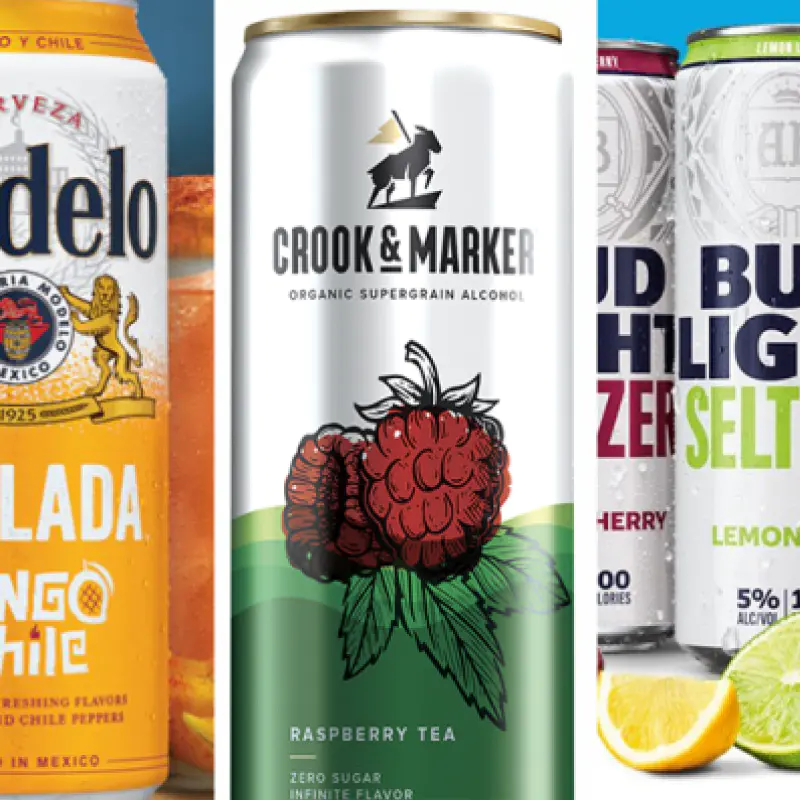
LAST CALL...LET THE SALES POUR IN
- Wine, beer, and spirits have all experienced boosts in sales during the pandemic across all retail outlets
- The wine category has been particularly strong – total sales increased by 38% (Progressive Grocer)
- Beer sales have increased by 20% given the demand for 30- and 24-packs (Supermarket News)
- Online sales of alcohol catapulted 234% over last year (Supermarket News)

ENHANCED BEVERAGES
- Functional beverages include energy drinks, fortified juices, sports drinks, dairy and dairy alternative drinks, enhanced waters, ready-to-drink (RTD) teas, and coffees
- This is the fastest-growing sector of the industry, partially due to the maturity of the carbonated soft drink sector and investment by major food and beverage companies to diversify their offerings in response to new consumer tastes
- The global functional drinks market size is currently estimated to be more than USD 94 billion
Survey stats:
Top challenges in beverage industry
Our latest research highlights some of the beverage industry’s greatest materials handling challenges in the U.S. and uncovered the following...
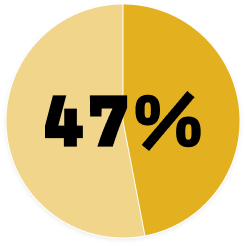
Shortage of skilled labor is the leading challenge in materials handling with 47% of respondents citing this as their #1 concern
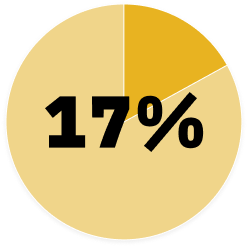
Rental fleet availability was identified by 17% they need more equipment to handle surging demands as their top priority
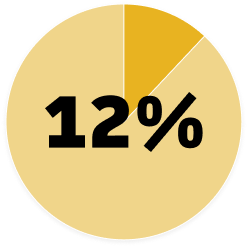
High cost to operate and maintain fleet concerned 12% of respondents whose operation is pressured by razor-thin margins
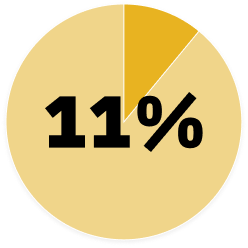
Availability or lead time of new trucks concerned 11% of operations who are strained by the shortage of equipment or their immediate need for a new truck
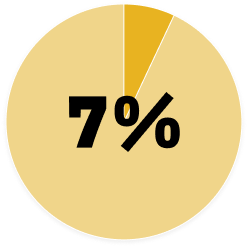
Throughput of current fleet is challenging 7% of respondents contributing to decreasing efficiencies
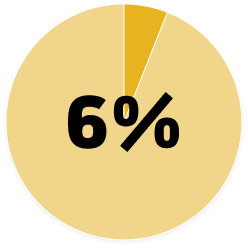
Fleet utilization troubles only 6%, who cite having too many trucks and not enough demand as a concern
Take control with the right solutions
Effortless, actionable insight
For many beverage distributors, finding qualified labor is becoming increasingly difficult.
Even before the COVID-19 pandemic, filling open positions was difficult and now as supply chains are pressed to move even more products, faster, retaining highly skilled labor has become the top priority.
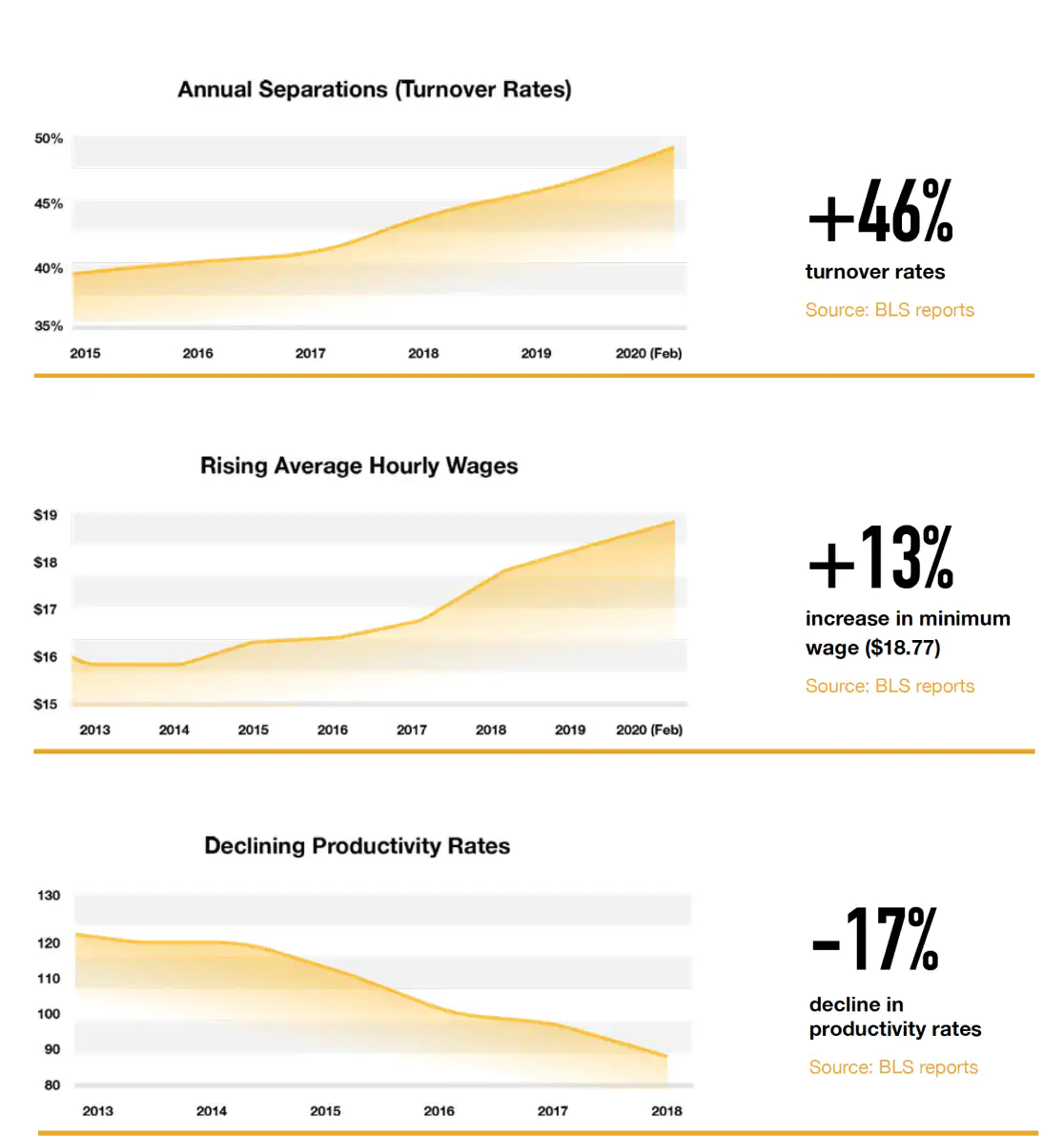
According to the Bureau of Labor Statistics (BLS), there are significant labor trends negatively impacting warehousing and distribution resources (metro areas and DC hubs can be even higher):
we know what you're going through
challenges that come with growth
While new consumer tastes and behavior are often top of mind for the beverage industry, the actions involved in the storage, fulfillment, loading, and delivery of some of our favorite drinks unquestionably create materials handling challenges whether in beverage production, bottling, warehousing, and order fulfillment or direct store delivery. With the spike in demand for beverage products and greater utilization of materials handling equipment, how do you also manage other top issues like Worker Safety and Work Force Shortages? Yale has answers.

Efficiency gaps: Increasing slot capacity and picking efficiency
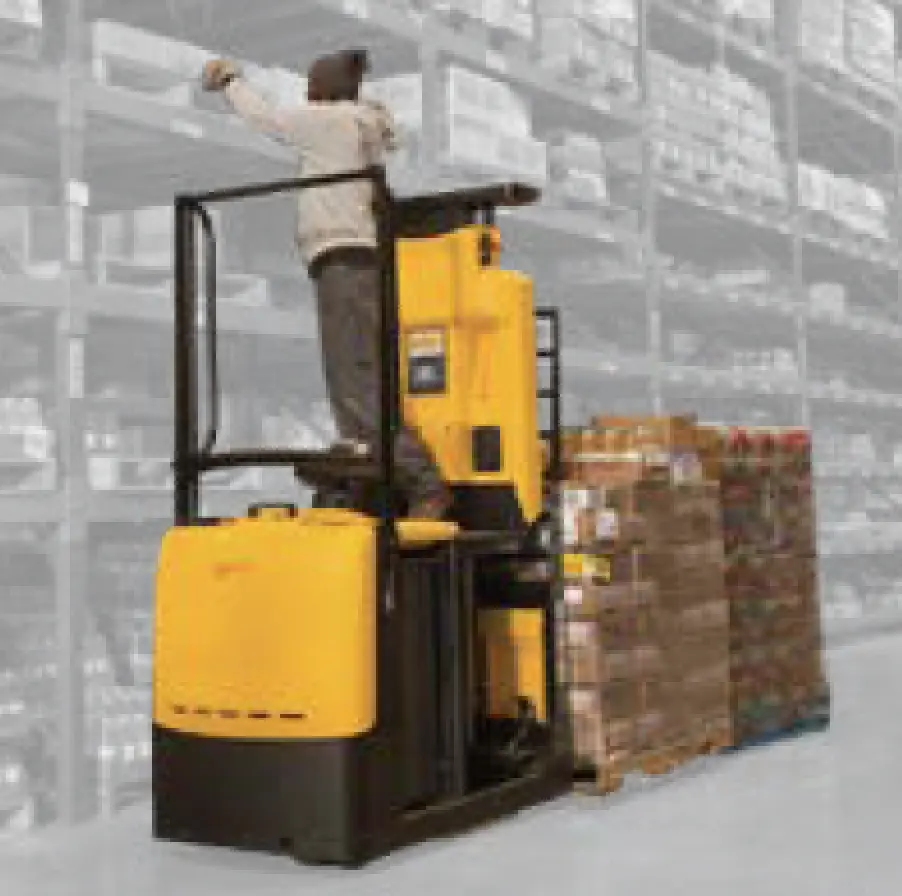
Efficient stocking, fulfilling and replenishment practices
Facing SKU proliferation, space and efficiency challenges, warehouse and distribution center operations look to materials handling suppliers to engineer a scalable solution. Working from a typical customer warehouse slotted for use with an end-rider and/or a high-level order selector, the innovative Yale® MO25 multi-level order selector solution, coupled with a new slotting strategy provides an affordable and scalable solution.
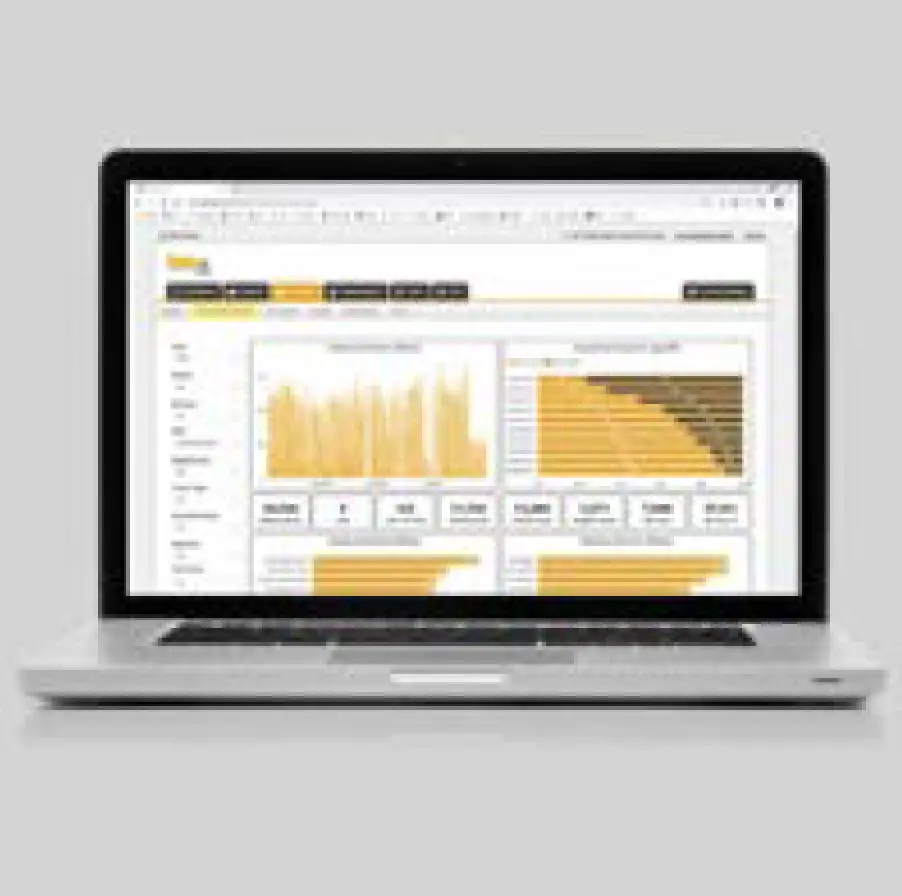
Optimize performance with telematics
Wireless asset management technology provides real-time fleet monitoring managers need for more informed decisions. Telematics solutions offer easy-to-use dashboards and analytics to turn data into actionable insights that unlock greater efficiency, performance and peace of mind.

Labor shortages: Operator confidence and safety should be a clear priority
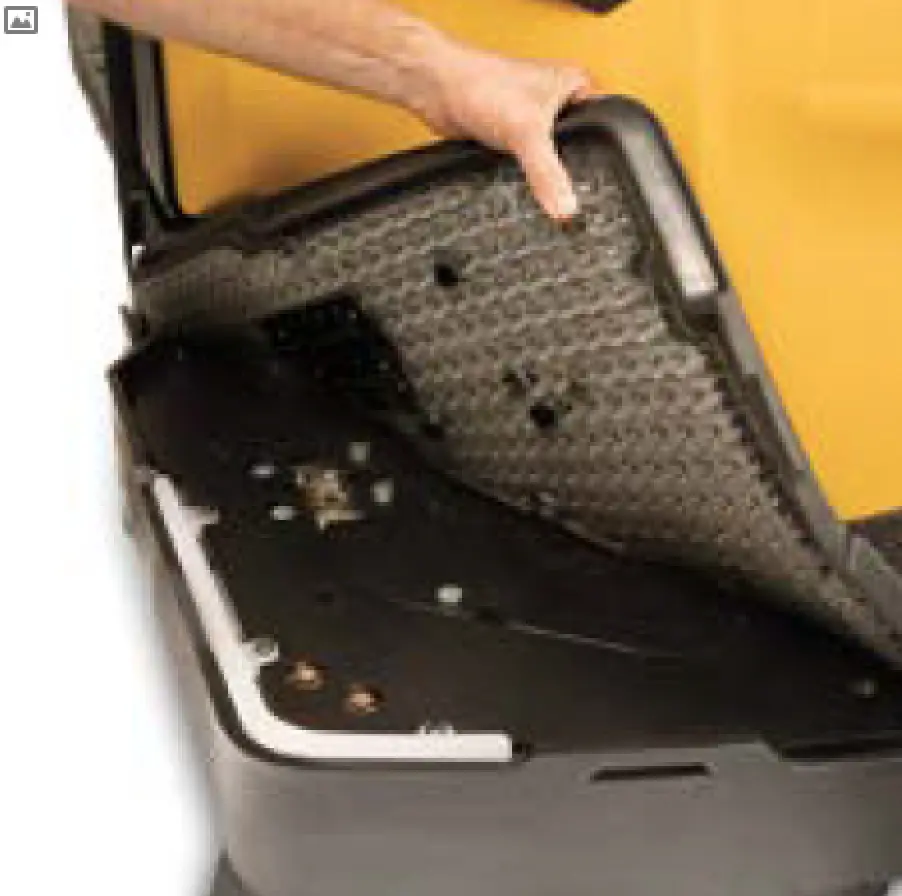
Boost sanitization efforts
Prevention against contamination is top-of-mind in today’s ever-changing environment. Impenetrable materials on highly touched surfaces and multiple touch points help reduce bacteria absorption and can allow operators to more easily follow safety guidelines.
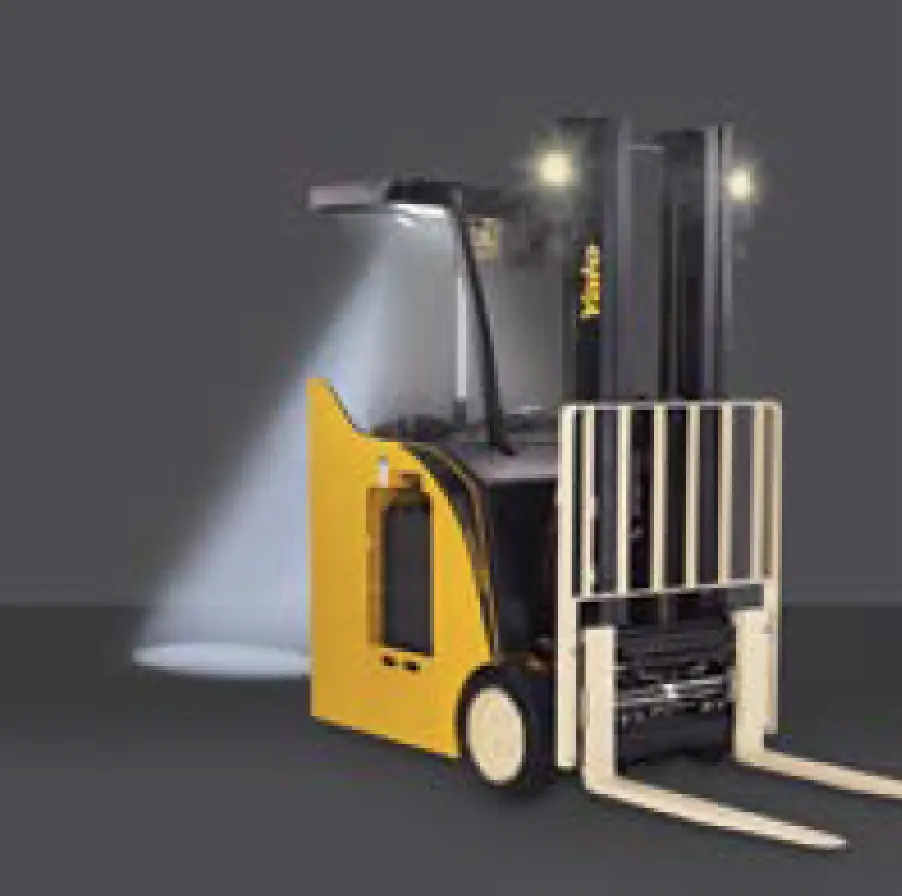
Operator confidence enhancers
When working around or in the presence of mobile equipment, safety should not be taken lightly. And based on numerous variables, including your facility layout and lighting, additional truck options may help increase awareness and minimize risk. Whether navigating in a dim storage area or dark trailer, lighting solutions can help increase operator confidence. And in noisy applications operators and pedestrians rely mainly on sight to guide them out of harm’s way throughout the facility.
Operators inside and outside the facility are most likely managing multiple loads, increasing delivery routes and frequent stops that can be daunting for your drivers. Empower your operators with greater maneuverability features which help give them total control in tight spaces while maintaining stability on changing terrain.
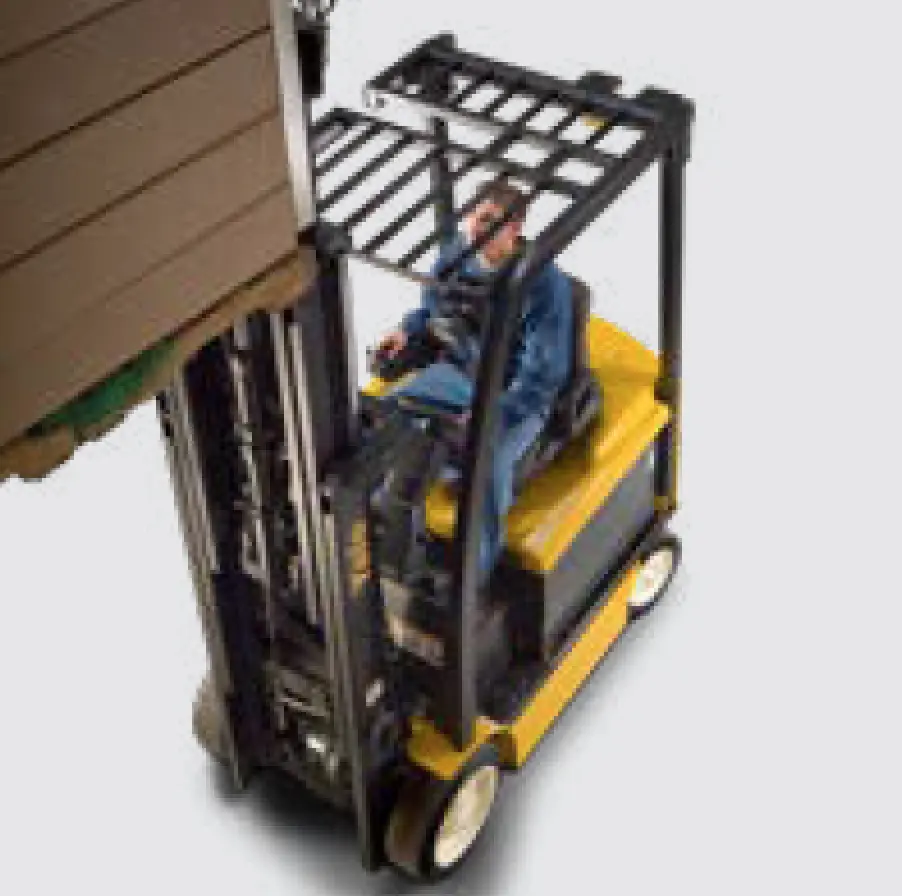
Advanced Ergonomics
Comfortable, intuitive work environment provides your operators with superior ergonomic experience by equipping them with enhanced ergonomic trucks which help to reduce physical strain and effort while helping to decrease operator fatigue and boost productivity. Your operators should feel just as good ending their shift as they do starting their shift, more usable space for optimal foot positioning and stability can help to achieve that goal.